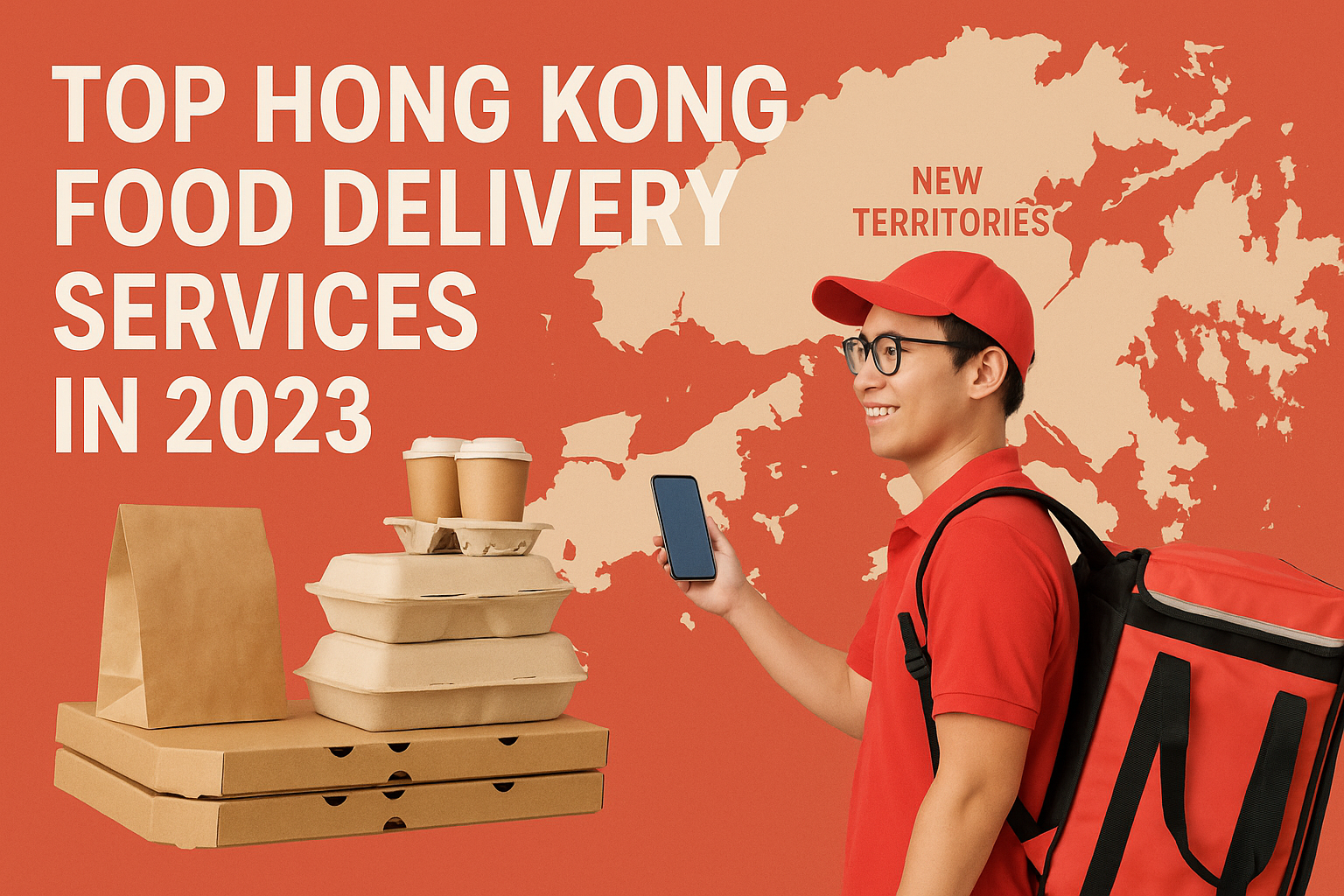
Craving dim sum at your desk or a late-night bowl of wonton noodles without leaving the couch? In a city that moves as fast as Hong Kong, your phone is basically your dining table. But with so many apps, fees, and promos flying around, figuring out the best food delivery hong kong options can feel… confusing. Which app is fastest in your district? Who has the best deals? And where do you find those hidden gems that actually arrive hot?
This beginner-friendly listicle breaks down the top food delivery options in Hong Kong for 2025, minus the jargon. We’ll compare delivery speeds, fees and minimums, coverage by neighborhood, and the types of restaurants each platform does best—from budget bites to special-occasion spots. You’ll also get tips on snagging promos, using subscriptions wisely, and avoiding sneaky charges. Looking for late-night choices, eco packaging, or family bundle deals? We’ve got you. By the end, you’ll know exactly which app to tap for every craving and every budget—so you can order like a pro, even if it’s your first time.
Booming Food Delivery Market in Hong Kong
1. Record revenue on the menu (US$4.41 billion by 2025)
Hong Kong’s online delivery scene is exploding, with revenue expected to reach US$4.41 billion in 2025. For context, the meal delivery slice alone is projected at about US$949.08 million, showing how quickly dining is moving from dine-in to app. With Deliveroo exiting the city, consolidation has pushed visibility toward players like Foodpanda, making it easier for newcomers to reach hungry customers fast. This shift is reshaping traditional restaurants: many report weekday lunch spikes and late-night orders that simply didn’t exist pre-app. Actionable tip: create a delivery-optimized menu (fewer SKUs, travel-friendly packaging), set clear prep times, and add high-margin add‑ons like drinks or sides to lift average order value.
2. A solid 6.86% annual growth rate through 2030
From 2025 to 2030, a 6.86% CAGR signals steady demand rather than a short-lived fad. For beginners, that means the earlier you learn the ropes—menu photos, pricing, and delivery timing—the more compounding benefit you’ll capture. Consumer expectations drive repeat business, so watch metrics like acceptance rate, on-time handoff, and ratings; even a few late orders can ding your visibility. Example: a cha chaan teng that trimmed prep time from 20 to 12 minutes saw better app placement and weekend order surges. Try batching popular items, pre-portioning sauces, and syncing kitchen timers with courier ETAs.
3. Convenience and variety are the growth engine
People choose food delivery Hong Kong apps because they can browse hundreds of cuisines in minutes, from cart noodles to vegan ramen, at nearly any hour. Platforms like Foodpanda’s Hong Kong marketplace spotlight that variety while rewarding reliable, fast service. Lean into convenience with family bundles, lunch sets, and transparent ETAs; lean into variety with rotating specials and limited-time collaborations. Tech trends help too—AI-powered dispatching and smarter routing cut delays, while sustainable packaging wins eco-conscious diners. Wrap it up with clear tracking and courteous notes to turn first-time triers into loyal, repeat customers.
Next: picking the right app mix.
Top Food Delivery Platforms for Beginners
- Foodpanda: With Deliveroo no longer operating in Hong Kong, Foodpanda is the default starter app as the meal‑delivery segment heads toward roughly US$949.08 million in 2025. You’ll get huge variety—local cha chaan tengs, sushi, bubble tea—plus beginner-friendly filters for rating, prep time, dietary tags, and delivery fees. Real-time courier tracking and easy reordering keep things simple. Because repeat business hinges on punctuality, aim for restaurants rated 4.6+ with 300+ reviews and recent comments praising “on-time” delivery and sturdy packaging. Pro tip: start with places within 2 km to keep ETAs realistic and food intact.
- KeeTa (by Meituan): KeeTa is expanding fast and is known for sharp promos and competitive delivery fees, great for first-timers watching budget. Behind the scenes, AI-powered dispatching optimizes routes, which helps ETAs stay consistent during rush hours. As Hong Kong’s restaurant-delivery segment grows at an estimated 6.86% CAGR, expect KeeTa to keep adding coverage and cuisines. Look for short-distance options and bundled “value sets” to stretch your dollar.
- Order direct via directories: Prefer to support restaurants more directly? The Hong Kong Oddle Eats directory lists curated eateries that run their own delivery or easy self-pickup, which can mean better margins for them and transparent minimum spends for you. It’s beginner-friendly for preorders, set menus, and family trays, and pickup reduces packaging waste—an emerging sustainability priority in food e-commerce. Browse by cuisine or district, then schedule ahead for weekends or office lunches. It’s also a smart backup when peak-time app slots are full.
- Read reviews like a pro: Filter for 4.5+ stars with 100+ ratings, then scan the newest reviews from the last 90 days. Prioritize comments about ETA accuracy, food temperature, and spill-proof packing over generic “tasty” notes. If available, favor badges like “Most Loved” or “Reliable.” Make a small test order first, then favorite top performers for one-tap repeats. Convenience and variety are your friends—so build a shortlist you trust for food delivery Hong Kong.
Emerging Trends in Food Delivery
1. AI-fueled speed and the rise of Q‑commerce
Expect faster, smarter drops as apps lean on AI for dispatching, routing, and real‑time ETAs. Predictive batching pairs nearby orders and riders, while micro‑fulfillment “dark stores” in dense neighborhoods enable 15–25 minute grocery and convenience deliveries—classic Q‑commerce. You’ll also see personalized carousels (think: “order again” and meal combos) and AI chat support that resolves common issues in minutes. For beginners trying food delivery Hong Kong, start with “express” or “priority” tags and keep your delivery window flexible for better on‑time rates. Restaurants can win by setting accurate prep times, pre‑portioning best‑sellers, and monitoring on‑time delivery above 90% to drive repeats. The market’s momentum is clear, with a projected CAGR of about 6.86% through 2025 per the Hong Kong online food delivery outlook.
2. Sustainability moves from nice‑to‑have to must‑do
Green practices are becoming a growth lever, not just a CSR box. Apps increasingly default to cutlery opt‑outs, group deliveries in the same building, and pilot e‑scooters or bikes to cut emissions. With local rules tightening around single‑use plastics, restaurants that swap to compostable or RPET packaging and right‑size portions are future‑proofing. Actionable tip: add “no cutlery/napkins” as the default, offer scheduled delivery windows to enable batching, and tag lower‑carbon dishes (plant‑forward, baked vs. fried). This matters commercially too—convenience and variety still drive demand, but consumer expectations for delivery performance and responsible packaging are key to repeat business.
3. Discount wars: Keeta’s entry shakes up incentives
New entrants like Keeta are using aggressive promos—free delivery thresholds, first‑order HK$ off, and 30–50% category deals—to build share quickly. Expect limited‑time “lunch rush” codes and trial subscriptions with fee waivers in launch districts. As a beginner, stack platform vouchers with card or e‑wallet rebates, but watch service fees and small order surcharges before checkout. Restaurants should time promos to boost slow periods (Mon–Wed dinners), build bundles to protect margins, and cap redemptions to avoid over‑discounting. Track promo ROI weekly: CAC vs. average order value, and whether couponed customers reorder without incentives. This discount intensity is also reshaping traditional dine‑in, nudging kitchens to create delivery‑exclusive menus and pricing.
Tips for Choosing the Right Delivery Service
1) Weigh delivery fees and minimums before you tap “Order”
In Hong Kong’s booming food delivery market (projected to hit US$4.41 billion by 2025, with the meal‑delivery slice around US$949.08 million), platforms constantly tweak pricing. That means fees can stack up: base delivery (often HK$10–30), service fees (5–10%), and small‑order surcharges if you don’t meet minimums. A quick hack: compare the same dish from two nearby restaurants at off‑peak versus peak times to see surge effects, and check if a monthly membership offsets costs if you order 3–4 times a week. Many apps offer “pick‑up” discounts that dodge delivery fees entirely—useful for short walks. Track your last five orders and calculate your true cost per order (food + fees + tips) to decide if a subscription or switching vendors saves more.
2) Verify coverage, hours, and reliability for your exact location
Availability in your area can vary by district, estate access rules, and weather. Since a major app exited the city, coverage maps and restaurant rosters have shifted—so don’t assume last year’s options still apply. Test with a small, low‑risk order during your usual dinner window to gauge ETAs and courier density; repeat once at peak hours. Look for signals like “busy” indicators, average delivery times, and the number of open restaurants nearby. Growth is steady (about 6.86% CAGR in restaurant delivery), but outer districts and outlying islands may still face longer waits or higher fees—especially during rainstorms or typhoon signal changes.
3) Prioritize customer support and clear policies
Consumer expectations for on‑time delivery and quick issue resolution drive repeat use, so check support channels before you need them. Favor apps with 24/7 in‑app chat, easy photo upload for wrong items, and transparent refund/credit rules for cold food or late arrivals. Scan recent reviews for response times and how disputes are handled, and keep screenshots of order timelines. If you ever need to escalate beyond the platform, the Hong Kong Consumer Council complaint guide explains your options. Bonus points for platforms piloting greener packaging or carbon‑offset deliveries—tech and sustainability are shaping 2025 standards and can signal a customer‑first mindset.
Impact of Restaurant Licenses on Delivery Options
- 17,154 licenses = more menus at your fingertips. As of April 2025, Hong Kong counts 17,154 active restaurant licenses, and that licensing base powers what shows up in your delivery app. With Deliveroo gone, Foodpanda pulls from this huge pool, so your feed spans dai pai dongs, cha chaan tengs, sushi bars, and vegan spots. More licenses mean more kitchens eligible to onboard, which widens delivery radiuses and late‑night coverage, especially in dense districts like Mong Kok and Central. Action tip: use cuisine filters and 30‑minute ETA badges to discover nearby, fast options without blowing your delivery fees.
- What changed versus previous years. The license total is higher than the early‑2020s trough when dine‑in restrictions and closures thinned the field, and growth aligns with a restaurant‑delivery CAGR around 6.86%. As the online food delivery market heads toward US$4.41 billion in 2025 (with meal delivery near US$949.08 million), more operators see delivery as essential, so they maintain or upgrade licenses to stay listed. You’ll notice more specialty concepts—ramen-only counters, dessert bars, and cloud kitchens—appearing under “New on” sections. Beginner move: sample these newcomers with small orders and watch ratings/ETAs over a week to confirm consistency before making them weeknight staples.
- How licensing shapes delivery performance and sustainability trends. A broader licensed base clusters kitchens closer to customers, letting AI dispatchers batch orders and shorten routes, which tightens ETAs and keeps food hotter. That matters for repeat business because consumers reward reliable timing and variety with reorders, a key driver of growth in food delivery Hong Kong. You’ll also see more licensed vendors adopting greener packaging and menu badges as sustainability rises on 2025 trend lists. Pro tips: sort by “closest first,” group orders with friends to hit minimums, and favor merchants within 2 km to cut wait times and reduce packaging waste.
Conclusion
- Choosing the right food delivery Hong Kong service comes down to coverage, costs, speed, and reliability. With Deliveroo out, start with Foodpanda, but also compare direct restaurant apps and supermarket deliveries for your district’s go‑tos. Build a small “test cart” at lunch and dinner to compare delivery fees, minimums, surge pricing, and ETA accuracy—delivery performance is what drives repeat orders. Only subscribe if your typical monthly savings (free delivery, vouchers) exceed the fee; promo stacking and bank‑card deals can tip the math. Cut costs and footprints by toggling no cutlery, joining reusable‑container pilots, grouping orders with roommates, or choosing nearby pick‑up for faster handoffs.
- Looking ahead, Hong Kong’s online food delivery market is projected to reach US$4.41 billion in 2025, with the restaurant‑delivery segment growing at a 6.86% CAGR and meal delivery around US$949.08 million. Expect AI to tighten dispatching, predict busy zones, and sharpen real‑time ETAs, while Q‑commerce expands ultra‑fast groceries and essentials. Sustainability will move from checkboxes to systems—think carbon‑aware delivery slots, reusable packaging networks, and clearer fee transparency. Traditional restaurants will keep adapting with ghost kitchens and data‑led menus, which means more variety and seasonal drops in your app. For you, that translates to faster, smarter choices; keep monitoring fees, set deal alerts, trial subscriptions risk‑free, and time orders off‑peak for the best value.