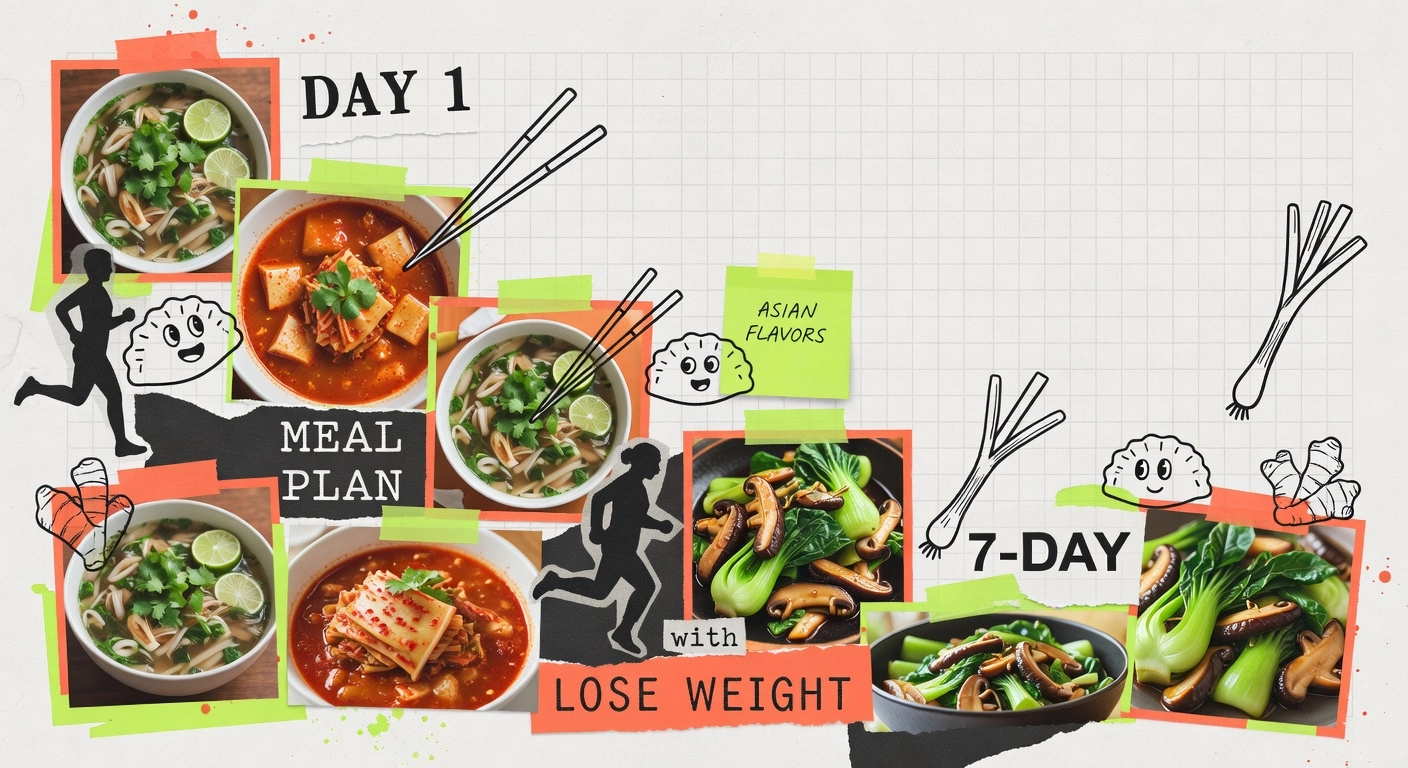
If “healthy food” makes you think of bland salads and complicated recipes, think again. This beginner-friendly guide is all about simple, tasty upgrades you can start using today—no chef skills required. We’re diving into 10 healthy foods you need to try now, the kind you can find at any grocery store and work into meals you already love.
Here’s what you’ll get: a quick intro to each food, why it’s good for you (in plain English), and easy ways to enjoy it—like fast swaps, snack ideas, and 5-minute add-ons. You’ll also pick up tips on what to look for when shopping, how to store things so they last, and how to make healthy food actually taste great without blowing your budget or schedule.
Whether you’re trying to feel more energized, support your fitness goals, or just eat a little better without overhauling your life, these picks are practical, affordable, and beginner-approved. Ready to discover a few new favorites that make healthy eating easier—and more delicious—starting today? Let’s jump in.
1. Dark Leafy Greens
Why dark leafy greens matter (for beginners)
Dark leafy greens like spinach, kale, and arugula are small-volume, high-impact healthy food choices loaded with vitamins A, C, and K. Vitamin A supports immune and eye health; vitamin C supports collagen and iron absorption; vitamin K is crucial for bone metabolism and helps calcium into bones. Clinical and epidemiological research shows diet quality influences overall health; Harvard emphasizes quality over low-fat/low-carb labels, and greens are nutrient-dense. They also pack folate, magnesium, and antioxidants like lutein and beta-carotene, aligning with 2025 trends toward anti-inflammatory, functional foods. Importantly, eating more fruits and vegetables, including leafy greens, is associated with better physical and mental health, and healthy food choices are linked to better mental well-being; intervention trials even show improved diet quality can reduce depressive symptoms. It’s no surprise they anchor Mediterranean and other traditional eating patterns associated with longevity in clinical and population studies.
Easy, budget-friendly ways to add them daily
Start with 1–2 cups a day: toss a handful of spinach into smoothies, add arugula to sandwiches for peppery crunch, or massage kale with olive oil and lemon to soften fibers. For stronger bones, pair greens with calcium sources (tofu, yogurt) and remember that vitamin D and calcium work alongside vitamin K. To support immunity and iron status, combine spinach with vitamin C (citrus, bell pepper) to boost non‑heme iron absorption. On a budget—90% of Americans say food prices are up—buy frozen spinach or kale, choose in-season bunches, and compare unit prices; frozen is flash‑frozen at peak freshness. Meal-prep a pan of garlicky sautéed greens, stir into eggs or grain bowls, and keep a washed box of arugula for grab‑and‑go salads. These small, consistent choices make healthy eating easier and set the stage for the variety your body thrives on; next, we’ll layer in other colorful produce for balance.
2. Whole Grains
Why whole grains matter (for beginners)
- Excellent source of fiber
Whole grains are one of the simplest healthy food upgrades because they deliver fiber that most beginners are missing. Adults need roughly 25–38 grams of fiber daily, yet many get far less. A cup of cooked quinoa has about 5 grams, brown rice around 3–4 grams, and cooked oats about 4 grams—easy wins that add up fast. Harvard nutrition guidance emphasizes food quality over “low-carb vs. low-fat,” and whole grains consistently make the quality cut. Action tip: build a balanced plate by pairing a quarter plate of whole grains with veggies and protein to feel full longer and keep energy steady. - Aids digestion and heart health
Fiber helps your gut work smoothly and feeds beneficial bacteria, which supports immunity and mood. Oats contain beta-glucan, a soluble fiber that can help lower LDL (“bad”) cholesterol; getting around 3 grams per day from oats and barley is linked with modest improvements in heart health. Clinical and epidemiological studies consistently show diet quality impacts overall health, and intervention trials indicate that improving diet quality can reduce depressive symptoms—another reason steady, fiber-rich grains matter. Action tip: aim for one whole-grain serving at most meals and read labels for “100% whole grain” or “whole [grain name]” as the first ingredient. - Include quinoa, brown rice, and oats
Quinoa cooks in about 15 minutes (rinse first to remove bitterness) and doubles as a protein-rich base for salads. Brown rice offers nutty flavor and minerals; use roughly 1 cup rice to 1¾ cups water and batch-cook for grain bowls. Oats are budget-friendly: try overnight oats with fruit and nuts for a fiber-and-protein breakfast. With prices rising—90% of Americans say food costs have climbed—buying in bulk and batch-cooking whole grains can stretch your budget (Pew Research findings on food prices). These grains also align with 2025 trends toward anti-inflammatory, sustainable choices, helping you eat well without overthinking it.
3. Nuts and Seeds
Why nuts and seeds matter (for beginners)
- Almonds deliver about 6 g protein and 14 g mostly monounsaturated fat per 1 oz (~23 almonds), keeping you fuller longer. Chia seeds pack roughly 5 g protein, 9 g fat, and 10–11 g fiber per 2 tbsp; when they gel, digestion slows for steadier energy. Walnuts add about 2.5 g plant omega-3 ALA per ounce plus polyphenols. Try 1–2 tbsp chia in yogurt or overnight oats, or sprinkle crushed walnuts on whole-grain toast with banana. For easy portion control, pre-portion 1 oz servings using a small container or snack bag.
- Heart-wise, almonds’ monounsaturated fats and plant sterols can help improve LDL cholesterol when they replace refined snacks. Walnuts’ ALA and antioxidants support vascular function and may aid cognitive aging. Chia’s soluble fiber helps stabilize blood sugar for better focus. Broad clinical and population data connect higher diet quality with improved health outcomes and mental well-being; see this review of clinical and epidemiologic evidence on healthy dietary patterns. Intervention studies also show diet quality improvements can reduce depressive symptoms, underscoring the mind–body payoff.
- Stir chia into smoothies, bake almond “crusts” for fish or tofu, or toss walnuts into salads and roasted veggie bowls. For budget and freshness, buy raw or dry-roasted varieties in bulk; 90% of Americans say food prices are up, so freezing nuts and seeds extends shelf life and protects delicate oils. Choose unsalted options and check labels to avoid added sugars or refined oils. If you have nut allergies, swap in seeds like pumpkin or sunflower for similar minerals and crunch. These habits align with global shifts toward nutrient-dense, anti-inflammatory eating and the rise of functional foods. Next, pair these crunchy powerhouses with lean proteins and colorful produce for balanced meals.
4. Fermented Foods for Gut Health
- Rich in probiotics
Fermented foods like yogurt, kimchi, and sauerkraut deliver live cultures such as Lactobacillus and Bifidobacterium that support your microbiome. Many products contain billions of colony-forming units (CFU) per serving; look for the “live and active cultures” seal to confirm. These microbes help break down lactose and make nutrients more bioavailable, which is why many people find fermented foods easier to digest. Within a balanced pattern that emphasizes quality—fruits, vegetables, whole grains, and proteins, as outlined in Harvard’s Healthy Eating Plate—they act as a functional boost to healthy food choices. If you’re just starting, aim for one small daily serving (for example, 1/2 cup yogurt or sauerkraut) and increase gradually. - Improve digestive health and immunity
Clinical and epidemiological research shows diet powerfully shapes health, and fermented foods are a simple way to influence the gut–immune connection. In a randomized trial, a fermented-foods diet increased microbiota diversity and lowered inflammatory markers, changes associated with better immune balance and digestive comfort. Diet quality also correlates with mental well-being, and intervention studies indicate that improving diet can reduce depressive symptoms, potentially via the gut–brain axis. This dovetails with 2025 trends toward anti-inflammatory, sustainable eating and the growth of “functional foods” in retail. Consistency is key—smaller amounts most days beat occasional large servings. - Include yogurt, kimchi, and sauerkraut
Choose plain yogurt or kefir with live cultures; add fruit and a sprinkle of whole-grain granola for a balanced snack. Toss kimchi into cooled grain bowls or scrambled eggs off-heat so warmth doesn’t kill probiotics; seek lower-sodium or vegan versions if needed. Add sauerkraut to sandwiches or salads; if you’re watching sodium—often 300–500 mg per 1/2 cup—briefly rinse and drain. With 90% of Americans noticing higher food prices, buy store brands, larger jars, or try DIY ferments to keep this habit budget-friendly. Pick refrigerated, unpasteurized options for live cultures, and start with modest portions to avoid bloating while your gut adapts.
5. Tropical Fruits
Why tropical fruits matter (for beginners)
If you’re new to building a healthy plate, tropical fruits are an easy win: they’re naturally sweet, nutrient-dense, and fit the Harvard idea of prioritizing quality, varied foods over strict low-carb or low-fat rules. Large studies consistently link fruit intake with better physical and mental health, and intervention research shows improving diet quality can reduce depressive symptoms. That means adding colorful fruit can support mood as well as immunity. With the 2025 shift toward anti-inflammatory, sustainable choices, fresh or frozen tropical fruits make healthy eating practical and enjoyable.
- Packed with vitamins and antioxidants
Mangoes, pineapples, and papayas deliver powerhouse micronutrients. One cup of mango provides about 60 mg vitamin C (~67% DV) and 25% DV vitamin A, plus fiber for steady energy. Pineapple supplies roughly 79 mg vitamin C (~88% DV) and notable manganese for metabolism support, while a cup of papaya offers ~88 mg vitamin C (~98% DV) and folate for cell health. Beyond vitamins, mangoes contain the polyphenol mangiferin, and pineapples and papayas provide enzymes (bromelain and papain) with antioxidant activity—small upgrades that add up, as clinical and epidemiological data affirm the role of diet in overall health. - Boost immune system and reduce inflammation
Vitamin C supports white blood cell function, helping your immune system respond to everyday stressors. Bromelain (pineapple) and papain (papaya) have been studied for anti-inflammatory properties that may ease minor soreness and support digestion—aligned with the rise of anti-inflammatory diets in 2025 trend reports. Regular fruit intake is also linked to better mental well-being, reinforcing the mind–body benefits of a nutrient-dense, healthy food pattern. For balanced blood sugar, pair fruit with protein or healthy fats (try papaya with Greek yogurt or mango with almonds). - Simple, budget-smart ways to include mangoes, pineapples, and papayas
With 90% of Americans saying food prices are up, choose frozen or in-season fruit, or canned in 100% juice to save. Try a 1-cup serving (about 60–100 calories): blend pineapple with spinach, lime, and yogurt; toss mango into a black bean–avocado salsa; or squeeze lime over papaya with a sprinkle of chia. Grill pineapple rings alongside chicken or tofu for a fast weeknight dinner. Small, repeatable habits like these improve diet quality—exactly the kind of everyday change linked to better long-term health.
6. Anti-Inflammatory Superfoods
Inflammation is your body’s alarm system, but when it stays on, it can drain energy, mood, and long‑term health. The beginner win is simple: add anti‑inflammatory superfoods that fit Harvard’s quality-first approach to healthy food. Clinical and epidemiological research links better diets with lower chronic disease risk, and intervention trials show improved diet quality can reduce depressive symptoms. With food prices up for about 90% of Americans, choose frozen or store‑brand options to keep this doable.
- Berries. Blueberries, strawberries, and raspberries pack anthocyanins and vitamin C that help calm inflammatory pathways. One cup of strawberries has about 3 g fiber and ~85 mg vitamin C, and fruit intake is tied to better physical and mental health. Action step: add 1 cup to oatmeal or yogurt, or blend frozen berries into smoothies to stretch your budget. Aim for a daily handful if 1 cup feels like too much.
- Turmeric. Curcumin, turmeric’s active compound, can lower inflammatory markers in small trials, especially when paired with black pepper; piperine may boost absorption up to ~20x. Start with 1/2–1 teaspoon ground turmeric in soups or golden milk, or 500–1000 mg curcumin extract with piperine after checking with your clinician. This spice fits a quality‑first, plant‑forward plate and adds flavor without extra sodium. Combine with a fat like olive oil for better uptake.
- Ginger. Gingerols and shogaols drive ginger’s warming kick and anti‑inflammatory effects. Around 2 g per day of ginger powder has reduced exercise‑induced muscle soreness in small studies, and many people find fresh ginger tea soothing for digestion. Grate 1–2 teaspoons into stir‑fries or dressings, or steep slices with lemon for a quick nightcap. Small daily doses beat occasional “detox” bursts.
These picks also reflect 2025 trends toward nutrient‑dense, sustainable choices and functional foods; start with one this week and build from there.
7. The Power of Tea
Why tea matters (for beginners)
Tea is an easy, budget-friendly healthy food upgrade that aligns with Harvard’s quality-first approach. It’s rich in polyphenol antioxidants that counter oxidative stress; as a functional, anti-inflammatory beverage it fits 2025 trends toward nutrient-dense, sustainable choices. Clinical and epidemiological data link better diet quality to improved heart, weight, and mental health; intervention studies even report reduced depressive symptoms when diet quality improves. With 90% of Americans reporting higher food prices, one bag or scoop of loose-leaf can deliver pennies-per-cup benefits without added sugar.
- Green tea: Green tea provides catechins, especially EGCG, about 50–100 mg per cup, supporting fat oxidation and modest increases in energy expenditure. Beginners can try 1–3 cups daily, ideally before a walk or workout for a light caffeine boost of roughly 20–45 mg. Brew at 160–175°F for 2–3 minutes and add lemon to stabilize catechins; keep it unsweetened to avoid negating benefits. Pair with a protein-rich snack to stay fuller longer and support weight management.
- Black tea: Black tea delivers theaflavins and thearubigins, antioxidants associated with vascular health and improved endothelial function. Replacing a daily soda with black tea trims added sugar and supports heart health while keeping you hydrated. Aim for 1–2 cups per day (about 40–70 mg caffeine each), brewed with freshly boiled water for 3–4 minutes. If caffeine-sensitive, choose decaf; it retains many polyphenols and pairs well with a splash of milk or spices.
- Herbal teas: Herbal infusions are naturally caffeine-free and add targeted benefits without calories. Hibiscus has shown modest reductions in systolic blood pressure in some trials, while ginger and peppermint aid digestion and chamomile supports sleep quality. Steep 5–7 minutes and enjoy hot or iced to replace sweetened beverages and boost overall diet quality. Tea complements, not replaces, fruits and vegetables; sip it with balanced meals to compound heart and weight benefits.
Conclusion: Embrace a Healthier Diet
- Start by including one new food each week. Try a “test drive” Monday: pick one item you haven’t had lately—kimchi, barley, or papaya—and add it to a meal; variety is central to a healthy diet, per Harvard, which prioritizes quality over low-fat/low-carb rules and makes healthy food feel doable. With food prices up (90% of Americans say costs have jumped), choose budget-friendly picks like frozen veggies, store-brand oats, or in-season fruit. Action step: make a 4‑week list and set a reminder so change feels simple, not overwhelming.
- Focus on whole, nutrient-dense choices. Clinical and population studies show diet quality tracks with better overall health, and fruit‑and‑veg intake supports both physical and mental well‑being. Build plates around plants, intact grains, and lean proteins, and tap current trends—anti‑inflammatory and functional foods—for fiber, omega‑3s, and polyphenols. Action step: aim for the template of 1/2 produce, 1/4 whole grains, 1/4 protein, plus a fermented side.
- Remember to listen to your body’s needs. Intervention research shows improving diet quality can reduce depressive symptoms; noticing how meals affect mood, energy, and digestion helps you personalize. Use a simple hunger scale (1–10) before and after eating, and track which foods keep you satisfied three to four hours. Action step: adjust portions and timing, hydrate, and seek pro guidance as needed—policy and community supports are growing, but your daily choices lead.