Trying to eat better without spending your evenings chopping and rinsing? You are not alone. The rise of healthy meals delivery has made it easier than ever to get balanced dishes to your door, but the options can feel endless. Some services focus on chef-designed recipes, others on ready-to-heat plates. Prices, portions, and nutrition claims vary a lot.
Here, we will compare the top meal delivery brands side by side so you can choose with confidence. You will learn how they stack up on ingredient quality, nutrition per serving, menu variety, dietary fit, prep time, and taste. We will break down real cost after shipping, show sample menus, and highlight who each service suits best, from high protein to plant based to family friendly. You will also get quick tips to read labels, spot sneaky fees, and avoid common pitfalls like long commitments. By the end, you will know exactly which service matches your goals, schedule, and budget, and how to customize it so healthy eating actually sticks.
Key Criteria in Choosing a Meal Delivery Service
The healthy meals delivery landscape is growing fast, with specialty diet services valued around 14 billion USD in 2024 and forecasts pointing to a 12 to 15 percent annual growth over the next five years. That surge makes choosing wisely more important than ever. Start by clarifying your goals, for example fat loss, training support, or a plant-forward reset, then map them to service features. Most people benefit from ready-made meals for consistency, since they balance nutrition better than takeout and remove daily planning. Keep in mind that some new meal-kit users reported eating more red and processed meats since the pandemic, so scrutinize menus for quality proteins and fiber-rich sides.
Variety and dietary fit
A solid service should natively support vegetarian, vegan, keto, paleo, gluten-free, and low-carb patterns, with weekly menu depth in each category. Scan at least three weeks of sample menus for redundancy and for options like legume-based proteins and whole grains. Independent roundups show the breadth of options continues to expand, which helps you rotate flavors without drifting from your plan, see this Forbes Vetted guide to healthy meal delivery. As a safeguard, note sodium targets under 700 mg per meal and adequate fiber, at least 8 grams in plant-forward dishes. If you prefer flexibility, choose providers that let you mix plans, for instance pairing vegan lunches with low-carb dinners.
Freshness, quality, and sustainability
Ingredient quality dictates both taste and adherence. Look for seasonal produce, clear protein sourcing, and cold-chain transparency with delivery windows under 6 hours from kitchen dispatch. Pre-portioned components help curb overbuying, and many services report food waste reduction compared with grocery shopping, echoed in this Metrobi price and quality comparison of meal delivery services. Ask about recyclable insulation and portion-appropriate packaging to further shrink waste. Inspect heating instructions and chill-to-plate timing, ideally under 3 minutes for ready meals, to protect nutrients and texture.
Customization and flexibility
Personalization should include calorie ranges, for example 1,200 to 2,400 calories per day, adjustable macros, and tools to swap sides to hit targets. Providers that build bespoke plans, such as Eatology, make it easier to match meals to training blocks or medical guidance. Operational flexibility matters too. You should be able to pause, skip weeks, change delivery days, and edit selections up to a clear cutoff. As you compare options, shortlist the services that meet these criteria, then test a one-week plan to validate taste, portion size, and results before committing.
Exploring Dietary Options Available
Why varied dietary options matter
Healthy meals delivery works best when it respects how differently people eat. Nearly 30 percent of consumers now follow a specific regimen, from vegan to keto, signaling a lasting shift toward personalization, as noted in a 2023 industry overview. Variety is not just preference, it is inclusion for gluten-free, paleo, and low-carb eaters who may be managing symptoms or performance goals. Personalization also reduces decision fatigue, a frequent barrier to consistency, and helps curb waste through preportioned meals. In short, services that map food choices to outcomes see better adherence, higher satisfaction, and less plate waste.
Matching diets to goals, a quick comparison
Gluten-free is non negotiable for celiac disease and often helpful for diagnosed sensitivities, since removing gluten can reduce inflammation and GI distress. Paleo centers whole foods and limits processed items, which can improve satiety and micronutrient density for weight management. Low-carb supports stable energy and glycemic control, useful for insulin resistance, while ketogenic goes further by inducing ketosis for rapid fat loss in the short term. Vegetarian or plant forward patterns increase fiber and polyphenols that support heart health and gut diversity. One caution from recent surveys, about 23.9 percent of new meal-kit users increased red and processed meat intake, so choose menus that emphasize lean proteins, legumes, and colorful vegetables.
How Eatology personalizes plans across diets
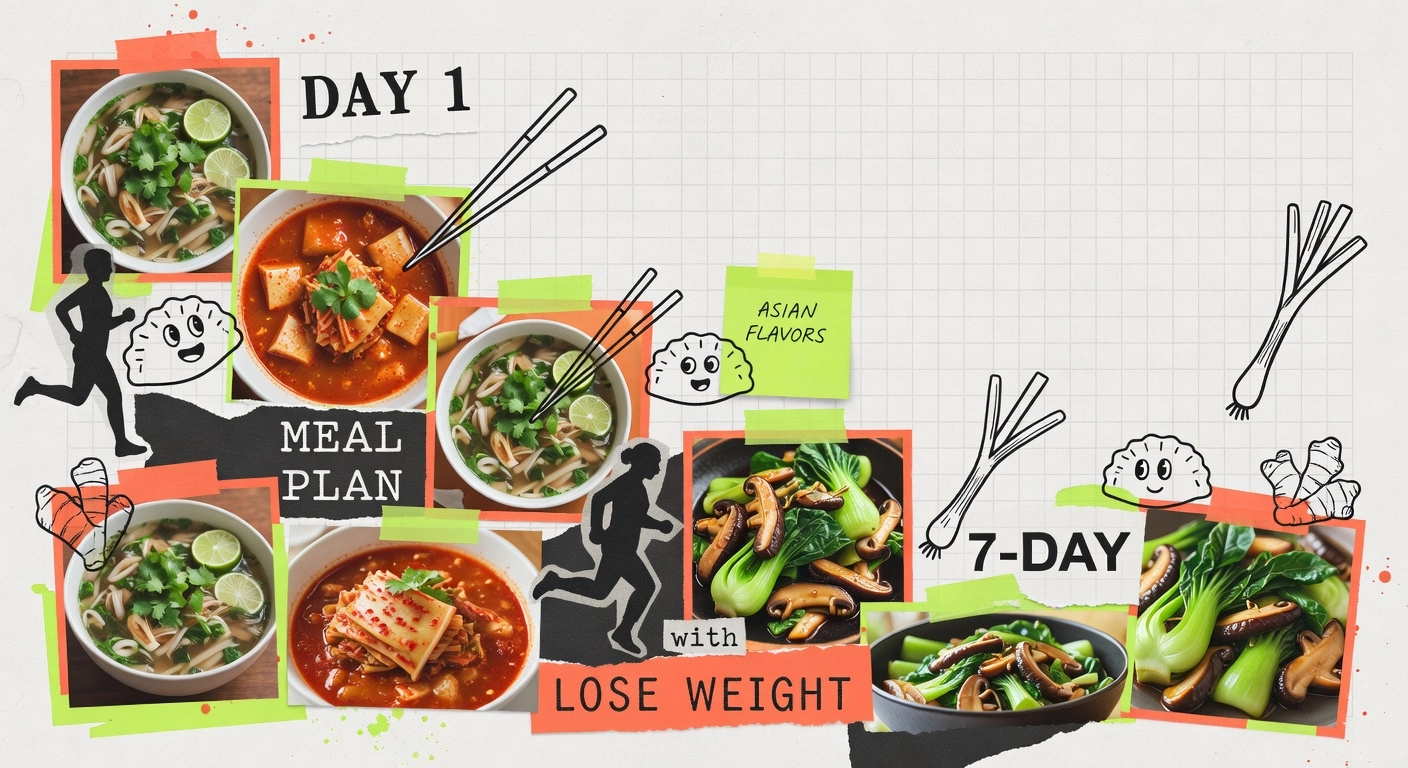
Eatology turns these goals into practical, tasty plates. The Custom Delights plan lets you pick dishes and set calories, ideal for a cut or maintenance. Prefer lighter flavors, the Asian Meal Plan balances vegetables, nuts, legumes, and lean proteins for daily wellness. Bespoke options cover gluten-free, low-carb, keto, paleo, vegetarian, and vegan, with macros tuned to targets, for example higher carbs for training days, higher fat for ketosis, and fiber for satiety. An endurance runner might cycle higher carbs on training days, whereas a desk worker may favor steady low-carb for appetite control and mental clarity. For best results, start with two weeks, track energy and hunger, then adjust carb and protein windows with guidance.
Customization and Flexibility Benefits
Why personalization drives better outcomes
Personalizing a healthy meals delivery plan boosts satisfaction because it aligns food with your tastes, schedule, and goals, which increases adherence over time. Research in the International Journal of Food and Nutritional Sciences found that tailored nutrition plans significantly improve satisfaction among health‑conscious users and those with dietary restrictions, reinforcing the value of customization for real‑world results personalized plans improve satisfaction. Personalization also cuts decision fatigue, a key reason dietitians say delivery works, since you no longer plan meals daily. It can be targeted to support conditions like blood sugar control or heart health by adjusting carbs, fiber, and sodium. Finally, when preferences are honored, plate waste drops, and users stay engaged for longer, offsetting a common pitfall where 23.9 percent of new meal‑kit users reported more red and processed meat during the pandemic.
Customization features users love
The most requested features are easy menu swaps and portion control. If you prefer a tofu stir fry over a salmon dish, a quick swap keeps your week on track without throwing off calories or macros. Portion adjustments help right‑size intake on training versus rest days, for example choosing lower calories at lunch and a higher‑calorie dinner after workouts. Macro cues are equally useful, such as prioritizing protein for satiety or dialing back saturated fat if cholesterol is a concern. Together, these levers maintain variety, prevent boredom, and keep nutrition aligned with your targets.
How Eatology makes it easy
Eatology streamlines customization with clear options for dietary exclusions and preferences, covering gluten free, dairy free, nut and shellfish allergies, and religious requirements. Simple exclusions are free, while complex restrictions that require ingredient swaps may include a small fee to maintain nutritional balance, as outlined in the Eatology FAQ. You can fine tune calories with plan choices and request dish selections that match your macro focus. As goals evolve, plans can be adapted, for example shifting from low carb to balanced meals or increasing protein as training intensifies. Built in nutrition guidance helps you choose the mix that fits your current phase without guesswork.
Delivery frequency that flexes with your life
Life changes, so delivery should too. Opt for daily drops during busy stretches to maximize freshness, then consolidate to fewer weekly deliveries when you have time to refrigerate or reheat. For travel or holidays, pause or skip upcoming deliveries so you do not stockpile food you will not eat, which keeps waste and costs down. Many customers rotate between 3‑day and 5‑day runs based on workload, or switch from lunch‑only to lunch plus dinner during training blocks. A good rule of thumb, dial frequency up when structure helps you stay consistent, and dial it down when your routine loosens.
Balancing Nutrition and Convenience
Simplifying balanced nutrition without cooking
Healthy meals delivery takes the guesswork out of balanced eating. Instead of planning macros, weighing portions, and scanning labels, you can choose a plan designed by dietitians and cooked by chefs. For example, Eatology’s Low Fat plan targets roughly 25 to 30 percent fat, 25 to 30 percent protein, and 45 to 50 percent carbohydrates, which fits common weight management goals. That removes daily decision fatigue and late grocery runs. It also supports consistent intake, an essential driver of results.
Time savings and lower prep stress
Time savings and stress reduction are the biggest wins. A 2025 Harris Poll found that 52 percent of adults aged 18 to 34 say they lack time to cook during the week. Among subscribers, 68 percent report meals take 30 minutes or less including prep, cooking, and cleanup, which frees hours every week. Pre-portioned meals also cut food waste, since you buy less and use everything. Tip, slot deliveries around meetings, and set reminders to refrigerate promptly.
Eatology’s fresh meals vs at-home cooking
Compared with at-home cooking, Eatology’s fresh daily deliveries trade labor for predictability. You skip planning, shopping, and batch prep, yet get chef-prepared dishes with measured macros and built-in variety. At home you control every ingredient, which is great for hobby cooks, but it demands time, nutrition know-how, and careful portioning. Consistency often slips during busy weeks, which drags results. If you prefer home cooking, pre-plan two dinner recipes per week and pre-portion proteins with a kitchen scale to stay on target. Note that some new meal-kit users increased red and processed meat intake, so prioritize plans that emphasize whole foods and a balanced macro profile.
What customers say and how to decide
Customers echo the convenience. As one client shared, Eatology “changed my working day” by delivering “delicious and nutritious” meals fresh to the clinic, removing the need to shop or cook, see the client testimonial. The broader market mirrors this shift, with specialty diet delivery valued near 14 billion dollars in 2024 and forecasts of 12 to 15 percent annual growth. Recommendation, use delivery for weekdays to lock in nutrition and free time, then cook on weekends for creativity and social meals. This hybrid approach maximizes adherence, enjoyment, and results.
Sustainability, Efficiency, and Health Benefits
Food waste and efficiency: meal kits vs ready-made
If you care about sustainability as much as convenience, consider how different healthy meals delivery models handle waste. Meal kits ship pre-portioned ingredients, which trims household waste at the source and has been linked to about 33 percent fewer meal-level emissions than grocery-sourced equivalents, in part because less food is discarded, see the analysis summarized by Time on meal kits and emissions here. Studies also point to roughly a 32 percent reduction in food waste with pre-measured portions, which is ideal if you are busy and rarely use up full pantry items. Ready-made, portion-controlled meals go a step further by eliminating leftover raw ingredients and reducing impulse buys that often spoil. Compared with ad hoc takeout, both options make nutrition predictable and help you avoid oversized orders. A practical tip is to select plans with the right number of servings and freeze-friendly dishes so nothing gets tossed.
Sourcing and packaging: what to look for
Sourcing matters because it shapes both nutrient quality and footprint. Industry data shows a clear shift, with organic ingredient kits rising to 22 percent of offerings in 2023 and 67 percent of kits incorporating locally sourced items, see market data on recipe delivery boxes and sourcing trends here. Meal kits often spotlight farm origins, while ready-to-eat services can centralize procurement to prioritize seasonal and nearby producers. Eatology supports this movement with packaging that replaces conventional plastics with PLA derived from sugar cane, which is compostable and designed to break down in a few months under the right conditions. This change reduces production emissions compared with traditional plastics and lightens the end-of-life burden. For best results, use municipal or commercial composting where available and consolidate delivery days to cut transport emissions.
Health and planetary gains from cutting waste
Wasted food is not just a budget issue. Roughly 30 percent of global food is lost or wasted, driving an estimated 8 to 10 percent of greenhouse gas emissions from decomposition. Reducing waste lowers methane from landfills and conserves the resources embedded in food. Health wise, portion control in meal kits and ready-made plans supports balanced energy intake versus oversized takeout meals. One caveat from recent user reports is a rise in red and processed meat among some new meal kit users, so lean proteins and plant-forward selections remain smart picks. Aim for at least two plant-centric meals weekly and rotate seasonal produce to keep variety high.
How to choose the most sustainable fit
If you enjoy cooking and want to minimize leftovers, meal kits are efficient and educational. If you prize zero prep and exact macros, ready-to-eat plans prevent spoilage and streamline weekday eating. Either way, prioritize services with compostable packaging like PLA, clear composting guidance, seasonal menus, and delivery consolidation. With Eatology, you also get tailored calories and dietary styles, which reduces over-ordering and supports consistent, waste-light habits. This keeps your routine aligned with both health goals and a lower-footprint kitchen.
Making an Informed Decision: Recommendations
Key takeaways for choosing well
Healthy meals delivery works best when it matches your calorie target, macro balance, and dietary restrictions. Compare formats thoughtfully: meal kits give cooking control and often reduce food waste, ready-made meals offer balanced nutrition with zero prep, and fully personalized plans tailor dishes and portions to your goals. With specialty diet services valued around 14 billion USD in 2024 and a projected 12 to 15 percent CAGR, you can afford to be selective about menu variety, chef-prepared freshness, and skip or pause flexibility. Scrutinize delivery windows that fit your routine, portion transparency, and pricing per meal or per calorie so you know exactly what you are paying for. Note that 23.9 percent of new meal-kit users reported eating more red and processed meat since the pandemic, so favor menus emphasizing lean proteins, plant-forward sides, and options like vegetarian, vegan, gluten-free, keto, paleo, or low-carb.
Why flexible, personalized plans pay off
Personalized nutrition improves adherence and outcomes, and flexibility keeps you engaged when schedules shift. Dietitians point out that eliminating daily meal planning eases decision fatigue, and many families report better mealtime dynamics when food arrives preplanned. Sustainability improves too, since precise portions and premeasured ingredients curb overbuying and food waste, while ready-made meals often outperform takeout on balance and consistency. Put this into practice with a 1 to 2 week trial, then track energy, satiety, weight trend, and any leftover waste, adjust macros or calories, and fine tune delivery frequency. If you want a turnkey path, explore Eatology for chef-prepared, fresh daily meals, bespoke calorie plans, and nutrition advice, then use its customization and pause tools to reassess monthly for long-term health and sustainability.
Conclusion
Choosing a meal delivery service is easier when you focus on what matters most. Prioritize ingredient quality, nutrition per serving, menu variety, and prep time. Compare real costs, including shipping and portion sizes. Pick the service that fits your diet, high protein, plant based, gluten free, or family friendly. Use our label tips to spot sugar, sodium, and sneaky fees, and customize servings so the plan works week to week.
Ready to decide? Use the side by side charts to shortlist two brands. Order a trial box, apply new customer promos, schedule a skip reminder, and taste test with your routine. Keep the winner, cancel the rest.
Healthy eating should feel easy, not rigid. Make your choice today, set your first delivery, and enjoy balanced meals that support your goals.