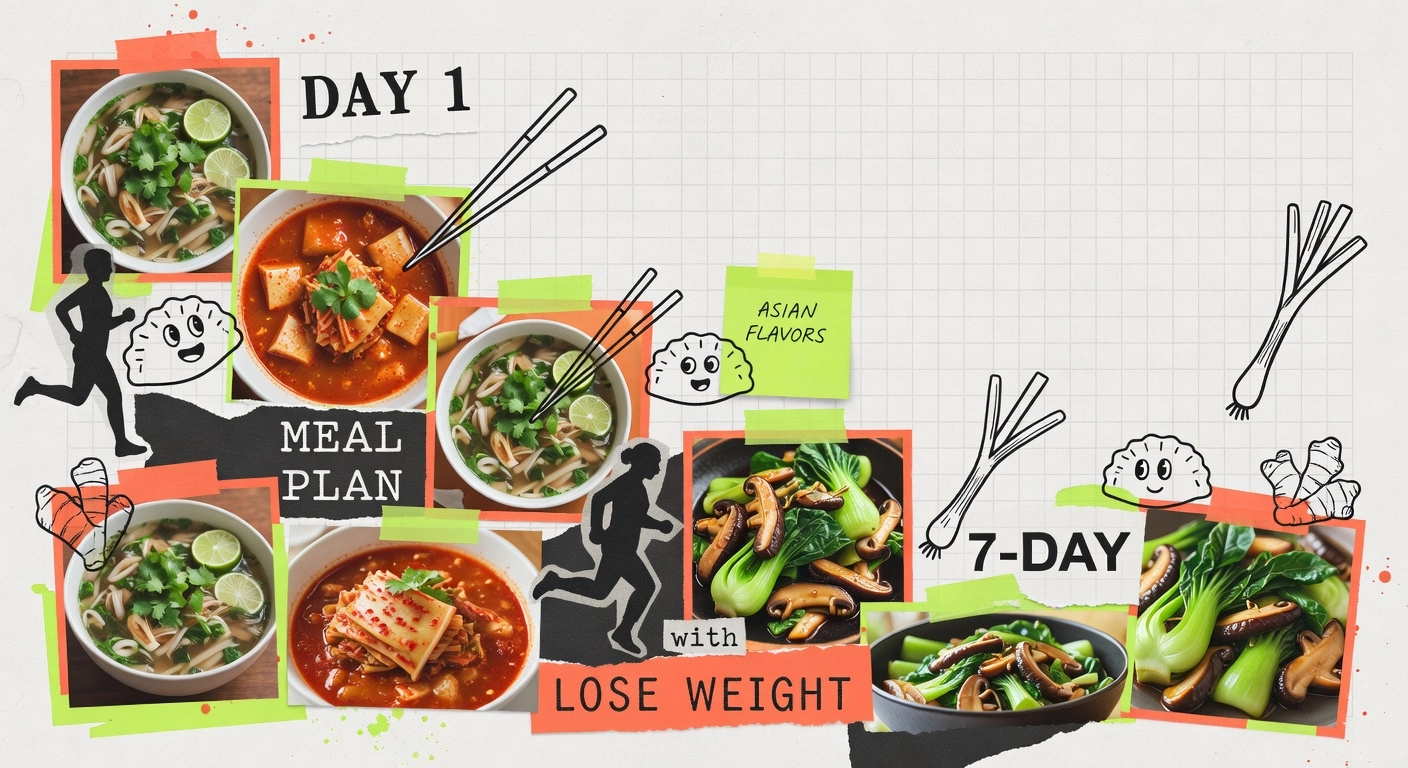
Curious how to boost energy, tame cravings, and simplify plant based eating without counting every bite? Intermittent fasting can be a gentle, flexible tool for beginners, and it pairs surprisingly well with a vegan lifestyle. If the idea sounds intimidating, take a breath. You do not need special powders or perfect timing to get started.
In this beginner friendly tutorial, you will learn what intermittent fasting is, why it can support steady energy and appetite control, and the easiest ways to try it on a vegan plate. We will compare simple schedules like 12:12, 14:10, and 16:8; show you how to plan filling meals with protein, fiber, and healthy fats; and explain what counts as fasting, including water, black coffee, and tea. You will get a sample day menu, a quick grocery list, and tips for breaking your fast without a crash. We will cover common roadblocks, like morning hunger and social dinners, plus gentle safety notes and who should skip fasting. By the end, you will feel ready to start small, listen to your body, and build a routine that fits your life.
Understanding Intermittent Fasting: Basics for Beginners
What it is and why people try it
Intermittent fasting is a simple framework that focuses on when you eat, not what you eat. By alternating eating and fasting periods, the body shifts toward fat-burning and cellular repair, a pattern summarized in this overview of intermittent fasting. For beginners, the big draw is practicality and potential benefits like weight loss and better metabolic health. Recent evidence suggests average weight loss of roughly 3 to 8 percent over 3 to 24 weeks, plus fasting blood sugar reductions of about 3 to 6 percent. Short fasts can also lower insulin, raise human growth hormone several fold, reduce inflammation markers such as C-reactive protein by 20 to 30 percent, and may support brain health via BDNF.
Common methods to choose from
Popular methods are flexible enough to fit most schedules. The 16/8 time-restricted eating approach limits meals to an eight-hour window, for example 12 p.m. to 8 p.m., with a 16-hour fast. The 5:2 method keeps five normal days and trims two nonconsecutive days to about 500 to 600 calories. Alternate-day fasting alternates normal intake with very low intake days, while OMAD concentrates calories into a single daily meal. Many beginners pair intermittent fasting with low-carb or keto eating to minimize hunger and improve appetite control.
First steps for beginners
Check with your healthcare provider first, especially if you use medications, are pregnant or breastfeeding, have diabetes, or a history of eating disorders. A simple ramp-up is 12/12 in week one, 14/10 in week two, then 16/8 if you feel well. Hydrate with water, herbal tea, or black coffee; consider electrolytes, a pinch of salt or broth, for longer fasts. During eating windows, aim for 25 to 35 grams of protein, colorful vegetables, fiber-rich carbs, and healthy fats. Eatology can match your calorie targets and timing, delivering fresh keto, paleo, vegan, vegetarian, gluten-free, or low-carb meals to fit your window. Track hunger, energy, and sleep; if you feel dizzy or overly fatigued, shorten the fast and reassess.
Exploring the Vegan Diet and Its Health Benefits
What veganism is and why people choose it
Veganism is a lifestyle and diet that excludes meat, dairy, eggs, honey, and other animal derived ingredients. People choose it for three main reasons, ethics, environment, and health. Ethically, many align with nonviolence toward animals, a principle reflected in Ahimsa in Jainism. Environmentally, shifting to plant based meals can shrink your carbon footprint, recent analysis suggests a nutritious vegan pattern can nearly halve diet related emissions, see this overview. If you practice intermittent fasting, veganism complements your eating window, it guides what to eat when you open the window. Eatology can prepare fresh vegan menus tailored to your calories, macros, and schedule.
Health benefits you can actually feel
A well planned vegan diet is naturally rich in fiber, antioxidants, and phytochemicals that support heart and gut health. Vegans often consume more vitamins A, C, and E, plus potassium and magnesium, see the roundup of health benefits of a vegan diet. Many beginners notice easier weight control and steadier energy. A review from 2021 reported male vegans had BMIs nearly two points lower than meat eaters, a practical edge for metabolic health. Higher fiber and lower saturated fat can help improve cholesterol and insulin sensitivity, useful if you pair plant based meals with a 16/8 fasting routine. For busy days, a macro balanced vegan lunch from Eatology keeps you full without derailing your plan.
Common myths, solved
Concerned about protein? It is very doable with legumes, tofu or tempeh, whole grains, nuts, and seeds, aim for a protein source in every meal. Worried about nutrients like B12, iron, iodine, and omega 3s? Take a weekly B12, use iodized salt, pair iron rich foods with vitamin C, and consider algae based DHA EPA. Digestive changes are normal at first, increase fiber gradually and drink more water. With modern options and Eatology’s rotating vegan menus, staying plant based during 5:2 or time restricted eating is simpler than ever.
Benefits of Combining Veganism with Intermittent Fasting
Improved health markers
Pairing a vegan diet with intermittent fasting can be a powerful nudge for your metabolism. Plant foods deliver fiber and antioxidants that help insulin work better, while fasting windows lower circulating insulin and improve glucose control. Studies show intermittent fasting can reduce insulin resistance and lower blood sugar by 3 to 6 percent, and it may cut inflammation markers like C reactive protein by 20 to 30 percent. A recent systematic review in people with prediabetes or type 2 diabetes found intermittent fasting improved body composition and key lipids, supporting heart health systematic review and meta-analysis on IF and cardiometabolic health.
How the combo aids weight management
For beginners, this combo makes calorie control feel natural. IF narrows your eating window, which often reduces daily intake, and a high fiber vegan plate keeps you satisfied on fewer calories. Across studies, IF is linked with an average 3 to 8 percent weight loss over 3 to 24 weeks, and fasting periods encourage greater fat oxidation. To protect muscle, aim for 1.2 to 1.6 grams of plant protein per kilogram using tofu, tempeh, lentils, soy yogurt, plus resistance training twice weekly. Eatology can build calorie appropriate, protein balanced vegan meals and deliver them timed to your 16:8 window.
Reduced risks of chronic diseases
Better insulin sensitivity, lower inflammation, and healthier lipids add up to long term protection. The vegan plus IF approach is associated with a lower risk of type 2 diabetes through improved glycemic control and weight loss, and it supports heart health by reducing LDL cholesterol and triglycerides while easing systemic inflammation overview of IF with plant-based eating. Early research also suggests fasting patterns can reduce liver fat and support brain health by boosting BDNF. To tilt the odds in your favor, aim for 25 to 35 grams of fiber per day, prioritize omega 3s from chia, flax, and algae DHA, supplement vitamin B12, hydrate with electrolytes during fasts, and schedule brisk walks before your first meal to enhance insulin sensitivity.
Creating a Balanced Vegan Intermittent Fasting Plan
Set your fasting schedule
Pick a schedule that fits your mornings, work blocks, and workouts so you can stick with it. Beginners do well starting with 14:10, then easing into 16:8, which is popular for its simplicity; consider 5:2 later, keeping intake to 500 to 600 calories on two nonconsecutive days. Anchor your fast to sleep for less willpower, for example 12 pm to 8 pm or 10 am to 6 pm. Plan two to three meals in your eating window, and break your fast with protein plus fiber to stabilize blood sugar. Track hunger, energy, and exercise performance for two weeks, then adjust your window by 30 to 60 minutes as needed. Research links intermittent fasting to 3 to 8 percent weight loss in 3 to 24 weeks and 3 to 6 percent lower blood sugar, with human growth hormone sometimes rising several fold.
Build balanced vegan meals
Aim for 1.2 to 1.6 grams of protein per kilogram of body weight per day, or about 25 to 35 grams per meal, from tofu, tempeh, lentils, chickpeas, edamame, seitan, and quinoa. Include healthy fats for satiety and hormones, such as a quarter avocado, a tablespoon of olive oil, and 1 to 2 tablespoons of chia or ground flax for ALA omega 3s. Choose complex carbs like oats, brown rice, and sweet potatoes, targeting 25 to 38 grams of fiber daily. Cover micronutrients: vitamin B12 at about 2.4 micrograms daily from fortified foods or a supplement, iron with vitamin C rich foods, calcium from fortified plant milks or calcium set tofu, iodine via iodized salt, and vitamin D as needed. Example two meal window: Meal 1 tofu scramble with spinach and peppers, plus oatmeal and berries, about 600 calories and 35 grams protein. Meal 2 lentil quinoa bowl with roasted vegetables and tahini salad, about 700 calories and 40 grams protein, with a chia pudding snack if needed.
Practical tips and tools, including Eatology
Batch cook grains and legumes, pre chop vegetables, and portion meals into containers to avoid grazing outside your window. Use a timer app, and hydrate with 2 to 3 liters of water, herbal tea, or black coffee during fasts; consider unsweetened electrolytes on sweaty days. Time tougher workouts near your first meal, then break the fast with 20 to 30 grams of protein and produce. Sleep 7 to 9 hours, and monitor metrics like waist, energy, and step count weekly. If you want help, Eatology can design vegan, low carb, or gluten free meals at your calorie target, matched to your eating window, and deliver fresh daily so you stay consistent. Reassess portions monthly as your weight, activity, or goals change, and iterate rather than aiming for perfection.
Practical Tips: Transitioning Smoothly into Your New Lifestyle
Start slow and monitor your body’s response
If you are new to intermittent fasting, ease in so your body has time to adapt. Begin with a simple 12-hour overnight fast, for example 7 PM to 7 AM, then move to 14:10 and eventually 16:8 if it feels comfortable. Keep a short log of energy, mood, workouts, sleep, and hunger on a 1 to 10 scale; patterns help you fine tune your window. Hydration is key, since thirst can feel like hunger; sip water regularly and consider unsweetened herbal tea or black coffee during your fast, as suggested in this guide on curbing cravings from SciTechDaily. If you feel dizzy, unusually fatigued, or irritable, shorten the fast and speak with a clinician. As motivation, research shows intermittent fasting can support 3 to 8 percent weight loss over 3 to 24 weeks and reduce blood sugar by roughly 3 to 6 percent in some individuals.
Overcome hunger and social settings
Hunger usually peaks in waves. Ride them out by drinking water, enjoying unsweetened tea or black coffee, and staying occupied for 10 to 20 minutes, which often makes cravings fade. During eating windows, build meals around 25 to 35 grams of protein, colorful vegetables, high fiber carbs, and healthy fats; a higher fiber intake, about 25 to 30 grams per day, boosts fullness. For more fast-friendly hunger strategies, see these tips from IntermittentFasting.in. For social events, slide your window later, choose zero calorie drinks if you are fasting, and break your fast with protein plus produce to avoid big glucose swings.
Leverage nutrition advice and meal support from services like Eatology
Structure makes fasting easier. Eatology can match your fasting schedule with balanced, ready to eat meals tailored to vegan, vegetarian, gluten free, keto, paleo, or low carb preferences. Example 16:8 day: 12:00 PM lunch with 35 grams of protein and 10 grams of fiber, 3:30 PM snack, 7:00 PM dinner with lean protein, whole grains or legumes, and vegetables. Portion control supports steady energy, and consistent protein helps manage appetite between meals. Their nutrition advice can align calories with your goals, whether fat loss or performance, and adjust week by week as your fasting rhythm settles.
Tracking Progress and Adjusting Your Fasting Routine
Track your progress smartly
Start by choosing one primary metric and two supporting ones, then check them consistently. For beginners, a weekly weigh-in at the same time of day plus a waist measurement and a quick 1 to 10 hunger or energy score works well. Fasting apps such as Zero, FastHabit, or Fastic make this easy with timers, streaks, and health integrations, see this overview of tracking tools for ideas best tools to track fasting. If you prefer simplicity, keep a short journal noting start and stop times, meals, sleep, workouts, mood, and cravings how to keep track of intermittent fasting. Add a monthly progress photo and body fat or waist to height check. Remember why you are doing this in the first place, intermittent fasting supports metabolic health and weight management when paired with good nutrition what intermittent fasting is and how it works.
Know when and how to adjust your fasting window
If weight, waist, or energy has not improved for 2 to 3 weeks, consider a small tweak. Move from 14:10 to 16:8, or shift your eating window earlier if late night snacking is a trigger. Make micro changes first, 15 to 30 minutes longer fasts, twice per week, then reassess. If you feel persistent fatigue, irritability, or poor workout performance, shorten the fast or increase protein and fiber during your eating window. Eatology can remove guesswork by delivering meals that match your calories and macros, so you can adjust the schedule without juggling meal prep. Stalls happen, rotate a different style for a week, for example one 18 hour fast, then return to your baseline.
Play the long game, with patience and consistency
Most research level results take weeks, not days. Studies report roughly 3 to 8 percent weight loss over 3 to 24 weeks, along with 3 to 6 percent lower blood sugar and a rise in growth hormone that supports fat use. Set realistic targets, for example 0.25 to 0.75 percent of body weight lost per week. Keep meals nutrient dense during your eating window, consistent timing and quality matter as much as the fast. Review your log every Sunday, keep what works, adjust one thing at a time, and let Eatology handle balanced, ready to eat options that fit your window. Up next, we will help you refine meals that keep you full and energized.
Conclusion: Achieving Long-Term Health and Wellness
Why the combo works
Pairing a vegan pattern with intermittent fasting creates a simple, science-backed one-two punch. Fiber-rich plants steady blood sugar and curb hunger, and fasting periods lower insulin, increase human growth hormone, and nudge cells into repair mode. Beginner-friendly schedules like 16/8 are associated with 3 to 8 percent weight loss over 3 to 24 weeks, 3 to 6 percent reductions in fasting glucose, and drops in inflammation markers such as C-reactive protein by roughly 20 to 30 percent. Fasting may also raise BDNF, which supports brain health. A practical day could look like an 8 hour window with a lentil and quinoa bowl at noon, a tofu stir-fry at 6 pm, and a fruit and nut snack in between, with water, tea, and coffee without creamers during the fast.
Take the next step
Start small, for example 12 hours overnight this week, then move to 14:10, and only step into 16:8 when you feel ready. Track one primary metric, such as waist circumference, plus energy and sleep quality each week, and adjust your window or meal composition if progress stalls. Aim for 25 to 35 grams of fiber and about 1.0 to 1.2 grams of protein per kilogram body weight using tofu, tempeh, legumes, and fortified foods, and remember B12 and iodine. For medical conditions, pregnancy, medications, or high training loads, speak with a registered dietitian or physician to tailor the plan, timing, and supplements. Eatology can simplify the change with bespoke vegan, low carb, or keto-friendly menus timed to your eating window, daily delivery, and nutrition guidance so you can stay consistent. Your long-term win is a sustainable routine that fits your life, feels good, and evolves as your goals do.