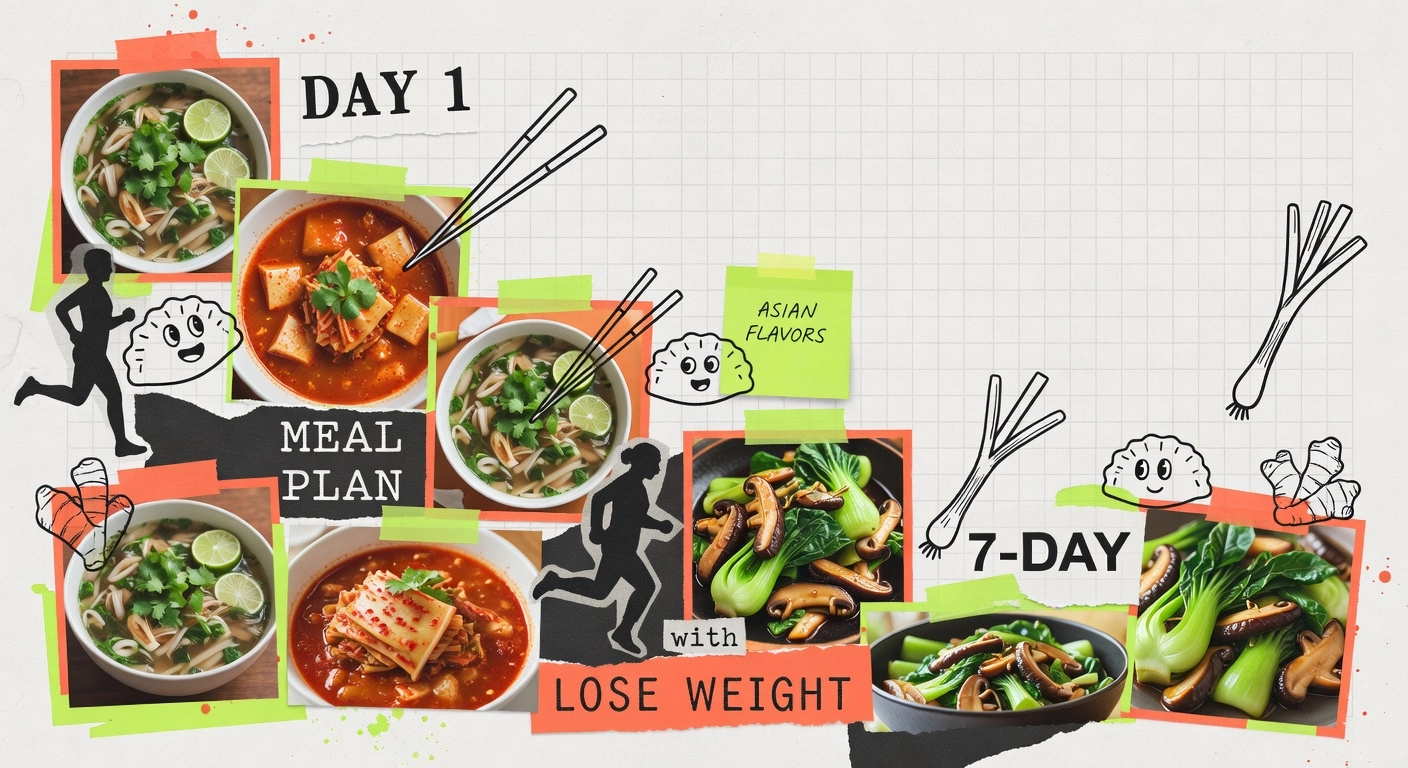
New year, fresh plate. If you want to eat better without spending your evenings chopping and scrubbing, new year meal delivery can be your shortcut to a healthy start. Whether you have never tried a meal kit or you are baffled by all the apps, this beginner-friendly guide will help you get moving with confidence.
In the quick list ahead, you will learn how to choose the right plan for your goals, spot real nutrition in the marketing buzz, set portions and add produce, align deliveries with your schedule, stretch your budget with smart swaps and leftovers, and keep meals exciting with variety and simple add-ons. We will also cover pantry basics that make reheating feel fresh, time saving habits to reduce waste, and small tweaks that boost flavor without extra calories. By the end, you will know exactly what to look for before you click subscribe, how to customize boxes to your taste, and how to turn convenience into lasting habits. Let us make healthy eating simpler, one tip at a time.
Why Choose Meal Delivery for the New Year
1. Eliminate meal prep stress so you can focus on your resolutions
New year meal delivery clears your calendar by replacing planning, shopping, and cooking with ready-to-eat or quick-cook dishes. Many beginners report saving 5 to 7 hours per week, time you can reinvest in workouts, reading, or sleep. Independent testers cooked 200 meals from 11 kits to evaluate ease and speed, showing the category is built for convenience. For example, flexible kits highlighted in this roundup of weekly meal services are designed to fit busy schedules. Fully prepped, family-sized options like those described on this plan overview can be heated in minutes, reducing weekday chaos. Practical tip: schedule deliveries for the start of your week, then block the saved hours on your calendar for your top goals.
2. Personalized plans fit your diet and your taste
Personalization means you actually eat what you order, which boosts adherence. Eatology builds bespoke plans around your calorie target and goals, and supports vegetarian, vegan, gluten-free, keto, paleo, and low-carb preferences. Industry-wide, personalization is accelerating, with research on AI systems like NutriGen showing how technology can map meals to your constraints. Action steps for beginners: define a calorie range, list must-have flavors and no-go ingredients, and flag allergens. Then use feedback, if a lunch felt too light, request higher protein next week, or swap a side.
3. Balanced nutrition, built in
Consistent, balanced plates make healthy eating simple. Look for meals that deliver lean protein, fiber-rich sides, and colorful produce to cover vitamins and minerals. Many services work with dietitians, and testers in 2026 reviewed over 50 prepared options, underscoring quality improvements. As a starter guideline, aim for 20 to 35 grams of protein per meal, diverse vegetables, and sodium that fits your needs. With daily fresh delivery and nutrition support, Eatology helps you stay on track as resolutions turn into routines. Up next, choose a plan that fits your goals and schedule.
Benefits of Personalized Meal Plans
1. Tailor meals to specific dietary goals
Personalized meal plans let you match every bite to your goals, from gluten-free and vegan to keto, paleo, and low carb. With Eatology, you choose your calories and preferred macros, then get menus that respect allergies and preferences, ideal for beginner friendly new year meal delivery. Smart planning is getting even smarter, with AI analyzing your likes and ordering history to suggest dishes that fit your profile. Many services now sync with health apps and wearables so activity and nutrition targets influence your menu, as noted in emerging food delivery app trends. For example, a vegan plan can emphasize iron rich legumes with vitamin C sides, while a gluten-free plan uses quinoa, rice pasta, and tamari to avoid gluten sources.
2. Meet daily nutrient requirements effortlessly
Ready-to-eat portions make hitting daily nutrients almost automatic, because every meal arrives pre balanced for macros and micronutrients. A simple target for many adults is 25 to 30 grams of fiber per day and steady protein across meals, for example 25 grams at breakfast, 30 at lunch, 35 at dinner, and a 10 gram snack to reach about 100 grams. Eatology builds whole food plates with leafy greens, legumes, lean proteins, nuts, and seeds so you get key nutrients like iron, folate, and B vitamins where your diet needs them. Personalized nutrition is linked to better energy and clarity since meals match your routine and goals, as summarized in benefits of personalized nutrition. Action step: pick a calorie band that fits your goal, then choose a macro split you can sustain, balanced for maintenance or lower carb if blood sugar steadiness is a priority.
3. Support a healthy lifestyle without the guesswork
Personalization removes decision fatigue so healthy choices feel effortless. Instead of wondering what to cook, you get a rotating, dietitian guided menu that already fits your rules, so you heat, eat, and get back to your day. AI driven menus and customization are rising across the industry, improving fit with real life and taste preferences, as seen in top meal kit delivery trends. With Eatology, that simplicity extends to tailored nutrition advice, health support, and fresh daily delivery that keeps habits consistent. Try this routine: schedule deliveries on your busiest days, set a weekly five minute check in to adjust calories by 100 to 150 if progress stalls, and keep two backup meals in the fridge so your plan never slips.
Convenience of Heat-and-Eat Meal Delivery
1. Ideal for busy people who want to eat well
If your days are packed with work, workouts, or school runs, heat-and-eat meals keep your nutrition on track without a long cooking session. Demand is surging because people want nutritious food without sacrificing time, and the online meal kit market is projected to grow to 24.86 billion dollars in 2026 and reach 131.37 billion by 2035, a 20.32% CAGR, according to this global market forecast. Eatology’s daily delivery and calorie-calibrated, portion-controlled meals simplify choices so you can focus on your goals. You can select vegetarian, vegan, gluten-free, keto, paleo, or low-carb, then let our team handle prep and nutrition balance. Action step: pick a plan aligned with your week’s busiest days to avoid last-minute takeout.
2. Quick meals with minimal prep, big on taste
Heat-and-eat means real food fast, typically ready in 3 to 5 minutes in the microwave or under 15 minutes in the oven. Even large providers now offer ready-made meals that heat in about 3 minutes, reflecting how standard this convenience has become. Eatology pairs that speed with chef-crafted recipes and balanced macros so flavor never takes a back seat to health. Practical tips: keep two extra meals in your fridge for hectic days, add a simple side like a bagged salad or steamed veggies, and set a recurring calendar reminder to reorder before you run out. Small tweaks, like topping a bowl with fresh herbs or lemon, add freshness in seconds.
3. A simple on-ramp to your New Year health journey
Starting new habits is easier when decisions are simplified. Pre-portioned, dietitian-guided meals help you learn portions and macros by sight while removing guesswork. Eatology’s bespoke plans align with your calorie targets and dietary pattern, and our nutrition advice supports you as goals evolve. Start with a two-week baseline, track energy, hunger, and performance, then adjust calories by 5 to 10 percent if needed. Pair meals with a consistent water goal and two 20-minute walks per day. The result is momentum you can sustain well past January.
Setting Attainable Nutrition Goals
1. Focus on smaller, manageable goals to stay motivated
Big resolutions can fizzle when life gets busy, so start with bite-size wins. Try one change per week, like adding a vegetable to lunch or swapping sugary drinks for water. This gradual approach mirrors the guidance in the Harvard 6-Week Plan for Healthy Eating, which encourages stacking simple habits that build momentum. With new year meal delivery, you can set micro goals tied to your menu, such as eating a high fiber breakfast three times this week or hitting a protein target at dinner. Eatology’s daily rotation makes it easy to experiment, reflect, and then level up without feeling overwhelmed.
2. Use meal plans to guide portion control for gradual weight management
Portion guidance removes the guesswork that often derails progress. Evidence-based plans, like those outlined by the Mayo Clinic Diet, emphasize balanced plates and consistent portions for steady, sustainable results. Eatology’s bespoke plans match your calorie target, for example 1,600 to 1,800 calories for moderate fat loss, then distribute portions across meals so you feel satisfied. Clear labels for calories, protein, carbs, and fats help you learn what a right-sized serving looks like. Over a few weeks, many beginners find they naturally recognize portions, which supports long term weight maintenance.
3. Track regularly to stick to your commitments
What gets measured gets managed. Keep tracking simple so it fits your routine, for example, tick off each delivered meal you eat, log protein grams, or photograph your plates. Pair daily tracking with one weekly metric, such as body weight, waist circumference, or average steps, to see trends without obsessing over daily fluctuations. Eatology’s consistent portions make entries quick, and you can use any method you prefer, from phone notes to a basic spreadsheet. Aim for at least 80 percent adherence each week, then review what worked, adjust your next order, and celebrate small wins to stay consistent throughout the year.
Exploring the Trend of Fibermaxxing
1. Learn about the health benefits of increasing daily fiber intake
Fibermaxxing simply means being intentional about fiber, and the payoff is big. Most people average about 15 grams per day, while recommendations are 25 to 38 grams depending on age and sex, which means there is a large gap to close for better health, as outlined in this explainer on how much fiber you really need. Higher fiber intake is linked with steadier energy, improved bowel regularity, and better appetite control because fiber slows digestion and increases fullness. It also supports heart health by helping reduce LDL cholesterol and may aid blood sugar management by moderating glucose absorption. Aim to add 5 grams every few days rather than jumping all at once, which makes the habit comfortable and sustainable.
2. Incorporate fiber-rich meals delivered to your doorstep
New year meal delivery can make fibermaxxing effortless, especially when meals are tailored to your diet and calorie targets. Think practical swaps and smart builds: quinoa and lentil power bowls with roasted veggies can deliver 15 to 20 grams of fiber, chickpea tagine over brown rice adds about 12 to 15 grams, and chia pudding with berries can provide 10 to 12 grams at breakfast. Vegetarian and vegan plans naturally emphasize legumes, whole grains, nuts, and produce. Gluten-free eaters can focus on buckwheat, quinoa, beans, and sweet potatoes. Even keto or paleo can prioritize nonstarchy vegetables, flax, chia, and avocado for fiber without overshooting carb goals.
3. Improve digestion and overall well-being through balanced meals
Balanced, fiber-forward plates feed a healthy gut microbiome, which supports digestion, immunity, and inflammation control. Pair soluble fiber from oats, beans, and chia with insoluble fiber from leafy greens and crucifers to keep things moving comfortably, a strategy backed by the Fabulous fiber overview from Harvard Health. Hydrate well, about 8 to 10 cups daily, to help fiber do its job. Set simple benchmarks, such as 8 to 10 grams per meal plus a 5 gram snack, then let fresh daily deliveries keep you consistent. Over a few weeks, most people notice steadier energy, easier digestion, and a lighter, satisfied feeling after meals.
Introducing Eatology’s Meal Delivery Services
- Discover tailored meal plans that suit your goals Eatology personalizes your plan to the way you eat, whether you prefer keto, low carb, vegetarian, vegan, gluten free, paleo, or a balanced Mediterranean style. Nutritionists design options like the Well Being plan with about 40 percent carbs, 20 percent protein, and 40 percent fats, including at least 25 grams of fiber per day. Choose a calorie target that matches your objective, for example weight loss, maintenance, or performance, and adjust weekly as your routine changes. Action tip: start with a two week new year meal delivery commitment, track energy, hunger, and weight, then refine your calories or plan type with guidance from Eatology’s team.
- Enjoy gourmet meals prepared by chefs focused on nutrition and taste Meals are cooked fresh without preservatives, so you get restaurant level flavor alongside balanced macros. A typical day might include soy milk rice pudding with an all orange fruit salad for breakfast, turkey meatballs in turmeric coconut sauce with bulgur and Goji berries for lunch, an upside down pear cake snack, and creamy polenta with chanterelles, a poached egg, and bacon bits for dinner. Independent testers reviewed more than 50 prepared services in 2026, and freshness consistently ranked as a top loyalty driver, a priority reflected in Eatology’s menus. Action tip: reheat gently, stir sauces halfway, and plate your meal to improve texture and satisfaction.
- Flexible delivery options to fit your lifestyle and schedule Pick deliveries the evening before between 7 to 9 pm, or morning slots between 8 to 9 am or 9 to 10 am, sent to your home or office. Meals arrive in recyclable, microwave safe containers packed in a convenient kraft bag for easy storage. If your schedule shifts, customer support helps you pause, reschedule, or flag new dietary needs. Action tip: set calendar reminders to refrigerate promptly and line up deliveries with your busiest days for maximum time saved.
Conclusion: Taking the First Step Toward a Healthier You
- Transform your routine New Year meal delivery turns planning from guesswork into a simple weekly click. Replace shopping and batch cooking to reclaim 5 to 7 hours each week. Fresh, ready-to-heat dishes mean dinner in about 3 minutes, plus portioned lunches that curb takeout. Decision fatigue fades while variety stays high, so healthy eating actually sticks.
- Choose what fits your body Map your needs first, including allergies and style like vegetarian, vegan, keto, paleo, or low carb. Choose a calorie lane, for example 1,600 to maintain or 1,300 to lose gently, then adjust by 100 to 150 weekly. Set macros that fit, such as keto at 20 to 50 grams net carbs, protein at 25 to 35 grams per meal, and fiber at 25 to 38 grams daily. Eatology can tailor gluten-free and dairy-free options to those targets, turning goals into effortless daily meals.
- Start with confidence Healthy eating tops New Year resolutions, and 2026 testing reviewed over 50 prepared services, showing freshness and personalization drive success. Begin with a 14-day plan, record waist, weight, energy, and note favorites to repeat. Review every Sunday, then tweak calories by about 10 percent or swap in higher-fiber sides. With Eatology handling the cooking and nutrition guidance, you can start this journey with confidence.