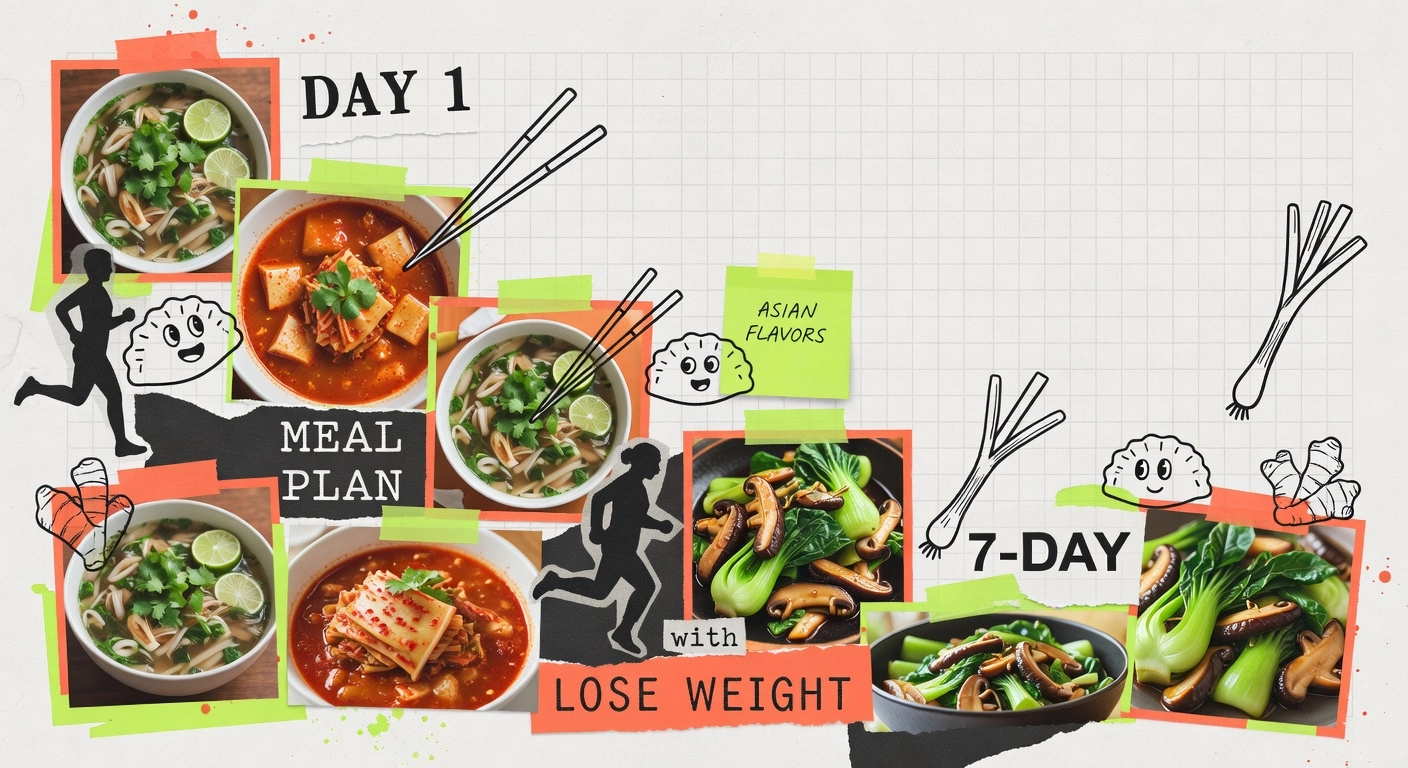
Healthy eating doesn’t have to mean kale-only salads, calorie math, or spending hours in the kitchen. If you’ve ever wished for a simple, no-stress way to feel better from your very next meal, you’re in the right place. In this beginner-friendly guide, we’re turning your everyday space into a nutrition kitchen—where tiny tweaks add up to big wins.
We’ll walk through 10 easy, doable ideas you can try today: from pantry upgrades and quick breakfast combos to smarter snacks, balanced plates, and label shortcuts that actually make sense. Expect time-saving meal-prep tips, budget-friendly swaps, and flavor-boosting tricks so healthy food tastes good (and fits your routine). No chef skills, no fancy gadgets—just practical steps that meet you where you are.
By the end, you’ll have a simple game plan for nourishing meals, more energy, and less guesswork—plus a few go-to recipes and habits you can repeat without thinking. Ready to make healthy eating the easiest part of your day? Let’s dive in.
Explore Nutrition Kitchen Meal Plans
1) Choose from Balanced, Low Carb, Vegetarian, or Flexitarian
Nutrition Kitchen’s lineup of high-quality, chef-prepared meals makes it easy to match food to your goals. The Balanced plan keeps macros steady with lean proteins, smart carbs, and healthy fats—great if you want steady energy without tracking everything. Low Carb cuts starches and sugars to support appetite control and stable blood sugar, a common strategy for fat loss. Vegetarian leans into legumes, tofu, and grains to hit protein and fiber needs, timely as 7% of consumers say they’ll start a plant‑based diet by 2025. Flexitarian blends the best of both—mostly plants, flexible with fish or chicken—to fit real life while nodding to the high‑protein, high‑fiber trend.
2) Dial in weight loss or muscle gains without overthinking
High‑protein meals are trending for a reason: they support fullness and muscle repair. Aim for roughly 25–35 g protein per meal with colorful veggies and fiber to keep calories in check; think chili turkey bowls or tofu stir‑fries with edamame. For building, add a carb‑rich side post‑workout and choose larger meal sizes—Nutrition Kitchen offers scalable portions with no minimum order, so you can test what fuels you best. If you have specific “need states” like joint or heart health, personalize by picking omega‑3‑rich fish, extra greens, or fermented sides, aligning with 2025’s personalized nutrition focus. Track weekly trends, not daily swings, and pair meals with 2–3 strength sessions.
3) Enjoy fresh, daily convenience—no commitment required
Meals are cooked in fresh batches every weekend and delivered daily, so your fridge stays stocked without marathon meal prep. No minimum order means you can start with one or two meals to sample flavors, then scale to a full week. Expect rotating menus that feature high‑protein and even fermented components to support gut health and recovery. On tight weeks, remember community options like the NeON Nutrition Kitchen program, which provides free nutritious groceries. Set reminders for delivery windows, and keep a “grab‑and‑go” meal for busy days to stay consistent.
Up next: how to choose your first week like a pro.
Why Nutrition Kitchen is a New Jersey Favorite
1) High‑quality, balanced meals that deliver results
Nutrition Kitchen wins New Jersey hearts by focusing on quality you can taste and macros that actually move the needle. Their chef-prepared menu aligns with 2025’s biggest nutrition trends—high-protein and high-fiber—so you can easily target 25–35 g protein and 8–10 g fiber per meal to stay satisfied and support body composition. With Balanced, Low Carb, Vegetarian, and Flexitarian options, it’s simple to match meals to your goals without feeling restricted, especially as 7% of consumers plan to start plant-based by 2025. Personalized nutrition is also rising, with more people optimizing for “need states” like heart or joint health; mixing plans week to week lets you tailor meals to those priorities. Explore their mission to provide high-quality, balanced meals that help you hit your goals and you’ll see why consistency feels effortless.
2) Healthy living made simple (no stress, no guesswork)
Nutrition Kitchen removes common roadblocks: meal sizes that fit your appetite, no minimum order requirement, and fresh preparation every weekend so Monday lunches are good to go. That flexibility means you can start small—order 5 meals, then scale up once you find favorites—without committing to a bulky subscription. For extra wellness points, pair your meals with trending, gut-friendly add-ons at home (think kefir, kimchi, or yogurt) to complement the menu’s protein-forward base. If you’re aiming for specific outcomes, rotate plans: Low Carb for glucose steadiness on busy workdays, Vegetarian for fiber and phytonutrients, Balanced for all-around macro coverage. Pro tip: set a weekly baseline—three high-protein lunches plus two fiber-rich dinners—and let Nutrition Kitchen fill those exact slots.
3) Tailored perks for New Jersey lifestyles
Jersey schedules can be unpredictable—commutes, kids’ activities, weekend travel—so the no-minimum-order policy and weekend prep are clutch for real life. Need a lighter week before a trip? Order fewer meals; back-to-back meetings ahead? Choose larger portions to avoid mid-afternoon slumps. The variety also supports household preferences, from flexitarian couples to teens exploring plant-forward eating, mirroring regional momentum toward accessible nutrition. Meanwhile, community initiatives like NeON Nutrition Kitchen offering free groceries highlight a broader local commitment to healthy food access, which Nutrition Kitchen’s convenience complements. Actionable plan: align your order with your calendar, batch meals for your heaviest days, and keep a few high-protein snacks handy to bridge gaps without derailing progress.
Global Trends in Nutrition Featuring Nutrition Kitchen
1) Sustainable, nutrient-dense choices are going mainstream
Around the world, shoppers are chasing more nutrition per bite—think higher protein, more fiber, and fewer ultra-processed extras. Analysts note the dominance of high‑protein and high‑fiber foods, and fermented picks like kimchi and kefir are trending for gut benefits. Action step: aim for 20–30 g protein and a colorful veggie on every plate; Nutrition Kitchen’s chef-made menus make that easy with protein-forward mains and fiber-rich sides. If you’re new to fermented foods, add a small serving alongside a meal twice a week to build the habit.
2) How Nutrition Kitchen makes healthy, sustainable eating easy
Beyond flavor, Nutrition Kitchen supports healthy living and goal achievement with fresh preparation every weekend and flexible meal sizes—there’s no minimum order, so you only buy what you’ll eat (hello, less food waste). Choosing Vegetarian or Flexitarian days lowers your footprint while keeping variety high. For community access, the NeON Nutrition Kitchen model offers free nutritious groceries—efforts like these echo research on community kitchens improving nutrition and social health. Practical move this week: order 3–5 meals to replace late‑night takeout, recycle packaging, and pair plates with a simple side salad or fruit to boost nutrient density.
3) Plant-based and personalized nutrition are set to surge
A recent survey shows 7% of consumers plan to start a vegan or plant‑based diet by 2025, while personalized nutrition is shifting toward individual “need states” like joint or heart health. Nutrition Kitchen’s Balanced, Low Carb, Vegetarian, and Flexitarian plans make it easy to test what works for your body without overhauling your routine. Try one or two plant‑forward days each week, prioritizing high‑protein, high‑fiber options; fermented add‑ons keep your microbiome happy. Keep simple notes on energy, digestion, and performance so you can fine‑tune portions and protein targets over time.
Nutrition Kitchen’s Online Classes for Healthy Eating
1) Live, beginner-friendly online classes for service members and families
Nutrition Kitchen’s online classes are designed around real military-life schedules—short, practical, and family-friendly. In 45–60 minutes, instructors walk you through step-by-step recipes, budget swaps (think canned beans for pricey cuts), and kid-helper tasks, so dinner becomes a team mission. Sessions spotlight quick, high-protein meals to match current trends, like a 30-minute chicken-and-quinoa stir-fry that hits 30 g of protein per serving and packs fiber with snap peas and carrots. You’ll see how to tailor the same dish for Balanced, Low Carb, Vegetarian, or Flexitarian eating—handy as 7% of consumers plan to try plant-based by 2025. Miss a live? Recordings and printable checklists make it easy to catch up, and if you’re using Nutrition Kitchen’s delivery, the “fresh every weekend” prep rhythm helps you pair class recipes with ready-made meals without a minimum order.
2) How classes build real-world balanced nutrition skills
These classes go beyond recipes to teach simple frameworks you can use anywhere. Expect bite-size lessons on macros (protein, fiber-rich carbs, healthy fats) and need-state planning, like heart-healthy swaps or joint-friendly omega-3 add-ins—right in line with 2025’s personalized nutrition trend. You’ll practice a plate formula that’s easy to remember: half veggies, a quarter protein (aim 25–35 g per meal), and a quarter smart carbs. Instructors weave in trending ideas—fermented yogurt marinades for gut health, or fiber boosts with lentils—because high-protein and high-fiber foods are dominating the market. Action step: set a weekly fiber target (25–38 g/day), then back into it with a veggie at lunch and beans or whole grains at dinner.
3) Extra tools and resources that make healthy cooking stick
To keep momentum, you’ll get downloadable shopping lists, 7-day meal maps, and a portion-size cheat sheet tailored to your goals. A weekend prep schedule dovetails with Nutrition Kitchen’s fresh-weekend model, so you batch proteins once and mix-and-match all week. Families needing extra support can also tap community programs like NeON Nutrition Kitchen, which provides free nutritious groceries. For recipe inspiration and label-reading help, bookmark the USDA MyPlate Kitchen recipe database. Quick start plan: join one live class, batch-cook two proteins, add two fermented sides (like yogurt tzatziki and kimchi), and rotate a plant-based dinner twice a week to explore Flexitarian options.
The Impact of Amy’s Nutrition Kitchen on Diabetes Care
1) Tasty, diabetes‑smart meals that make tracking simple
Amy’s Nutrition Kitchen turns diabetes management into everyday eating with a nutrition kitchen approach centered on smart macros. Meals lean into the high‑protein, high‑fiber trend to slow digestion and soften glucose spikes. Choose Balanced, Low Carb, Vegetarian, or Flexitarian plates—then match portion sizes without a minimum order, freshly prepped every weekend. For example, a sesame‑ginger chicken with quinoa, roasted broccoli, and a kimchi side layers protein, fiber, and fermented foods linked to metabolic health. Actionable tip: pair half your plate non‑starchy vegetables, a palm of lean protein, and a fist of high‑fiber carbs, then test with your meter or CGM.
2) Why a balanced plate keeps glucose steady
A balanced diet stabilizes blood sugar by combining protein, fiber, and controlled carbs at predictable times. Amy’s menus reflect 2025 market trends—protein‑rich dishes, hearty legumes, and gut‑friendly ferments—to boost satiety and insulin sensitivity. Plant‑forward options matter too, as 7% of consumers plan to start vegan or plant‑based eating by 2025. If you’re carb‑sensitive, alternate Balanced lunches with Low Carb dinners, swap white rice for quinoa or lentils, and watch pre‑bed readings. Personalization is the future, so layer heart‑health goals—sodium awareness, healthy fats—onto diabetes targets for an easy, sustainable routine.
3) Real‑world wins from clients managing diabetes
Clients tell us the real win is consistency: tasty plates they look forward to, and fewer “what do I eat?” moments. One newly diagnosed teacher swapped takeout for Amy’s Low Carb dinners and reports flatter CGM curves during evening grading sessions. A retiree using Balanced lunches notes steadier energy, while their clinician praised improvements in weight, blood pressure, and A1C trends. Budget matters, so Amy’s team also points clients toward community models like NeON Nutrition Kitchen for free produce and pantry staples. Pro tip: order only what you need for the week, set a Sunday reminder for your fresh delivery, and stack small wins—hydration, a 10‑minute walk after meals—for better glucose control.
Trends to Watch: High-Fiber and Protein Foods
1) Why fiber and protein are stealing the spotlight
As shoppers chase more nutrition per bite, high-protein and high-fiber picks are winning. 2025 trend reports show protein-rich and fermented foods rising fast; 7% of consumers plan to start a vegan or plant‑based diet by 2025, nudging demand for legumes, whole grains, and soy. The appeal is practical: protein supports muscle, immunity, and appetite control, and fiber steadies energy by slowing digestion and feeding a healthy gut microbiome. Personalized nutrition is surging, with “need states” like heart, joint, and blood-sugar health guiding purchases—exactly where fiber (oats, beans) and protein (fish, eggs, tofu) shine.
2) How Nutrition Kitchen bakes the trend into real meals
Nutrition Kitchen keeps the trend realistic with chef-prepared menus that prioritize protein and smart fiber without the chore of meal prep. Across Balanced, Low Carb, Vegetarian, and Flexitarian plans, you’ll see plates that pair lean proteins with legumes, leafy greens, and whole grains—think turkey chili with black beans or salmon over farro. Fresh preparation every weekend keeps veggies crisp (fiber) and proteins juicy, and there’s no minimum order, so you can test meal sizes to match your macros. That flexibility supports personalized “need states,” while community partners like NeON Nutrition Kitchen extend access by providing free nutritious groceries.
3) Benefits you’ll feel—and how to get them today
High-fiber, high-protein combos curb cravings, support heart health, and steady blood sugar for better focus. Quick wins: swap refined sides for quinoa, barley, or lentil pasta; add a cup of beans to soups; top bowls with chia or pumpkin seeds. When ordering from Nutrition Kitchen, filter for bean‑ or veg‑heavy dishes if you’re targeting heart or gut health, or choose fish and poultry options if joint and muscle support is your priority. Set your weekend delivery, sample two meal sizes, and track how hunger and energy respond over a week—then adjust like a pro.
Conclusion: Easy Steps to Start Your Nutrition Journey
1) Partner with Nutrition Kitchen
Choosing Nutrition Kitchen means chef-prepared, macro‑smart meals that fit real life. With fresh prep every weekend, flexible sizes, and no minimum order, you can test a plan without locking into a full week. Pick from Balanced, Low Carb, Vegetarian, or Flexitarian to match goals like weight loss, steady energy, or maintenance. Plus, the brand’s community arm, NeON Nutrition Kitchen, offers free nutritious groceries—proof that convenience and access can go together for beginners who want consistency.
2) Know the Trends, Eat with Confidence
Understanding global nutrition trends keeps you focused on what works. 2025 reports show high‑protein and high‑fiber foods dominating, with fermented picks rising for gut and immune benefits; 7% of consumers plan to start a vegan or plant‑based diet by 2025. Personalized nutrition is accelerating too, targeting “need states” like joint and heart health. Translation: prioritize meals with 25–35 g protein, plenty of fiber, and a sprinkle of fermented foods—choices Nutrition Kitchen already makes easy.
3) Start Today with Three Small Moves
Start today with three small moves. First, outsource one meal a day to Nutrition Kitchen and aim for 25–35 g protein, plus vegetables or whole grains to hit 25–30 g fiber daily. Second, add one fermented food—yogurt, kefir, kimchi, or miso—three times a week. Third, run a two‑week test: Balanced or Low Carb on weekdays, then a Vegetarian day to explore the plant‑based trend. Use the no‑minimum order to tweak portions, track energy and waist, and iterate each weekend.