Crushed your morning workout and now staring at the fridge, unsure what comes next? Good news. Breakfast can be your secret weapon for faster recovery and better results. A smart post workout meal breakfast gives your muscles the protein they need to rebuild, the carbs they crave to refill energy, and the hydration that keeps you feeling great the rest of the day.
In this beginner friendly how-to, you will learn exactly what to eat, when to eat it, and how much you really need. We will cover the ideal protein and carb targets, simple timing rules, and quick add ons for hydration and micronutrients. You will get easy five minute breakfast ideas, grab and go options, and a basic grocery list so you can prep without stress. Prefer sweet or savory? We will include both. Short on time or budget? You will get fast swaps and affordable picks.
By the end, you will know how to build a balanced plate that tastes good and actually supports your goals. No complicated math. No fancy supplements. Just a clear plan to turn breakfast into your most effective recovery tool.
Understanding Post-Workout Nutritional Needs
Finishing a workout is when your body is most primed to refuel. Think protein for repair, carbohydrates for glycogen, and a little fat for overall health. Aim to eat within 30 to 60 minutes, including 20 to 30 grams of quality protein to kickstart muscle protein synthesis, as outlined by the Australian Institute of Fitness post-workout nutrition guide. Carbs should dominate your plate to restore energy. A simple rule is a 3:1 or 4:1 carbs to protein ratio. Healthy fats are helpful, but keep portions moderate right after training since too much fat can slow digestion peri-workout nutrition advice.
What you need
- Prerequisites: your body weight, workout type, dietary preference, and goals.
- Materials: measuring cups, optional food scale, oats or quinoa, sweet potatoes, berries, bananas, tofu or eggs, Greek yogurt or pea and rice protein, nuts and seeds.
Step-by-step
- Set your target: for beginners, 60 to 80 grams of carbs and 20 to 30 grams of protein is a solid starting point for a post workout meal breakfast. On lower carb days, prioritize protein at roughly 1.6 to 2.2 g per kg body weight.
- Pick fast digesting carbs: for example, 1 cup cooked quinoa plus a banana provides about 60 to 70 grams of carbs.
- Add protein: blend 25 grams of pea protein into a smoothie, or plate 150 grams of tofu scramble, both give roughly 20 to 30 grams of protein.
- Layer smart fats: add 1 tablespoon chia or almond butter for omega rich fats without overloading digestion.
- Hydrate and add electrolytes: water plus a pinch of salt helps replace sweat losses. Expected outcome, replenished energy, reduced muscle breakdown, and better performance next session.
Why high protein vegetarian breakfasts shine
Plant proteins like tofu, chickpeas, and quinoa deliver essential amino acids for repair, especially when combined. They are often easier to digest in the morning and come with fiber that supports gut health. Many athletes prefer gluten and dairy free combos, for example quinoa porridge with pea protein and berries, which can pack about 30 grams of protein while hitting a 3:1 or 4:1 ratio. Eatology can tailor vegetarian, vegan, gluten free, keto, paleo, or low carb breakfasts to your calorie needs so recovery stays on track.
Crafting a Balanced Post-Workout Breakfast
What you need before you start
Set your protein target to 25 to 30 grams for breakfast, which supports muscle repair and recovery. Pick a nutrition path that suits you, vegetarian, keto, or gluten-free, so your post workout meal breakfast fits your lifestyle. Stock simple staples like eggs, tofu, Greek yogurt, certified gluten-free oats, leafy greens, avocado, nuts, and a quality protein powder. Grab microwave-safe containers and a nonstick pan or sheet pan for batch cooking. Expected outcome: faster recovery, steadier energy, and grab-and-go breakfasts that reduce morning decision fatigue.
1. Choose your path, vegetarian, keto, or gluten-free
Vegetarian works well when you combine complete or complementary proteins with carbs for glycogen, try egg scrambles with quinoa or tofu with fruit, and browse ideas in these vegetarian post-workout meals. Keto prioritizes low carbs with adequate protein and higher fats; a crustless quiche with eggs, cheese, spinach, and ham fits nicely, see this keto-friendly quiche idea. Gluten-free keeps wheat, barley, and rye out; rely on certified gluten-free oats, sweet potato, or quinoa, and check labels to avoid cross-contamination. If you train low carb, aim for roughly 1.6 to 2.2 grams of protein per kilogram body weight to support recovery. Choose the lane you can stick to most days.
2. Plan easy, reheatable meal prep
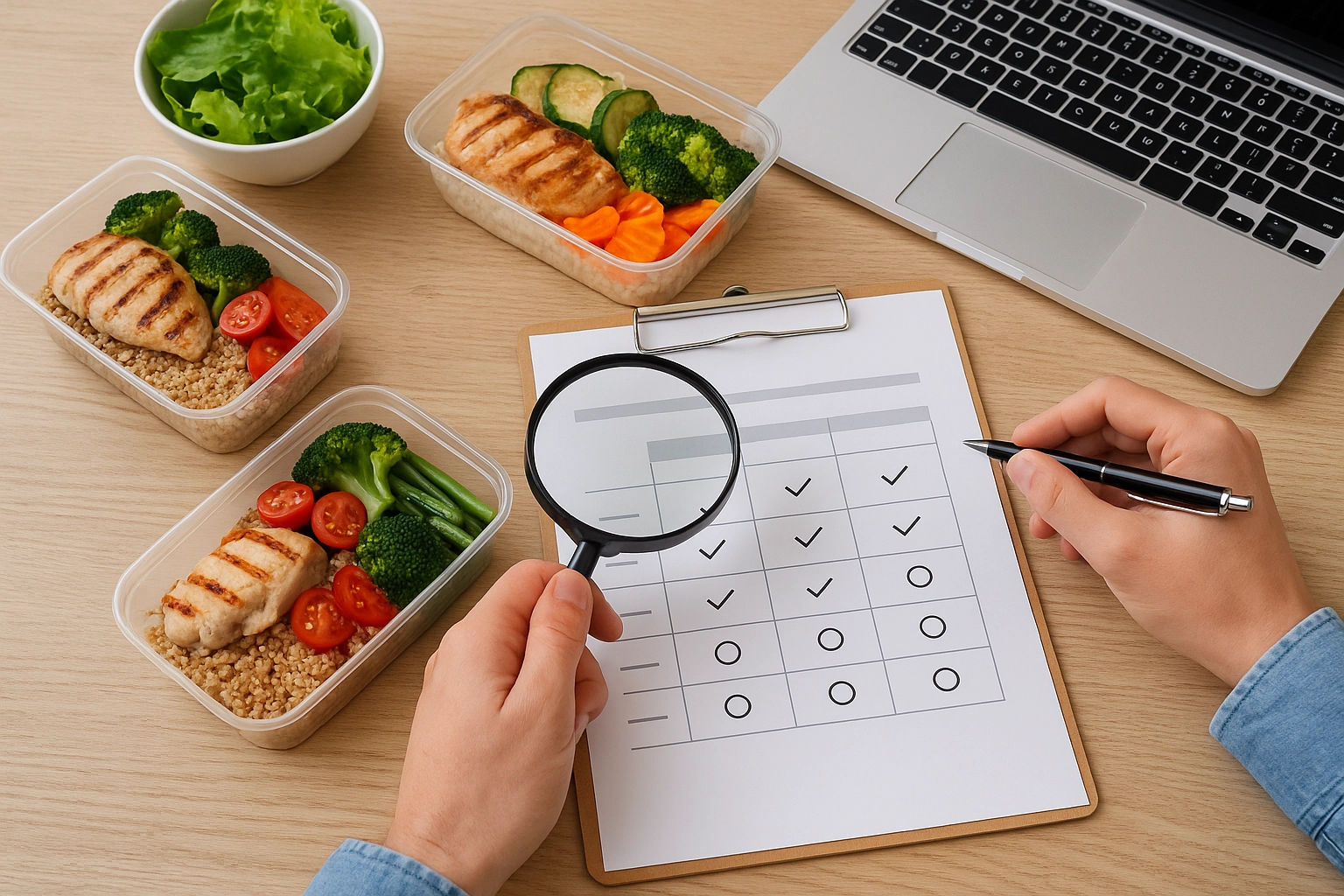
Batch-cook 4 to 8 servings on one day so breakfast is solved all week. Examples: cottage cheese pancakes portioned into pairs, or a sheet-pan tofu and veggie scramble you can reheat in 90 seconds. For gluten-free convenience, prep a protein oat bowl that hits about 31 grams of protein per serving, see this protein oatmeal example. Cool, label, and refrigerate for up to 4 days, or freeze up to 2 months. Reheat gently, pancakes in a toaster, oats and scrambles in the microwave with a splash of liquid.
3. Lock in 25 to 30 grams of protein
Use simple formulas: three eggs plus 2 tablespoons hemp seeds lands near 26 grams. One cup Greek yogurt plus 2 tablespoons almond butter and berries lands around 30 grams. Plant-based option, 150 grams tofu scramble with half a cup edamame lands near 30 grams. Whey, pea, or rice protein mixes are easy to digest if appetite is low; add one scoop to oats or a smoothie to top up. Prefer done-for-you support, Eatology can tailor vegetarian, keto, or gluten-free breakfasts to your calorie and recovery goals, delivered fresh so you stay consistent.
High-Protein Vegetarian Breakfast Recipes
Sweet Potato Breakfast Casserole: A reheatable favorite
This is a make-on-Sunday, eat-all-week hero, perfect for a post workout meal breakfast when you are short on time. You will need an oven, a 9×13 inch baking dish, and basics like eggs, cottage cheese, and shredded sweet potato. Sweet potatoes deliver gluten-free complex carbs that refill glycogen, while eggs and cottage cheese stack the protein that supports muscle repair. Follow this reliable technique in the full sweet potato casserole method, then adapt toppings like spinach or peppers for extra micronutrients. Steps: 1) Press shredded sweet potato into the greased dish. 2) Whisk eggs, cottage cheese, mozzarella, onions, and spinach. 3) Pour over the base, bake at 375°F until set. Expected outcome: 8 slices that reheat in 60 seconds, about 22 to 28 grams protein per serving depending on cheese, with steady energy from slow-digesting carbs.
Greek Yogurt Power Bowl: A protein-packed start
This bowl is fast, flexible, and beginner friendly, and it is easy to dial up protein to your target. Use 2 to 5 percent Greek yogurt for satiety, add berries for antioxidants, and include chia or flax for fiber and omega 3s. For a bigger recovery boost, mix in a scoop of whey or plant protein, an approach athletes favor for easy digestion and to reach 30 grams total. Build it using this Greek yogurt power bowl guide. Steps: 1) Stir yogurt with chia or flax and cinnamon. 2) Add fruit, a teaspoon of nut butter, and seeds. 3) Optionally add half to one scoop protein powder. Expected outcome: 25 to 35 grams protein, plus carbs and healthy fats that help prevent muscle breakdown and keep hunger in check.
Cottage Cheese & Veggie Toast: Quick and nutritious
Great when you need breakfast in under five minutes, this toast pairs protein with fiber rich produce. Choose whole grain or gluten free bread for complex carbs, or use a high fiber cracker if you prefer fewer carbs. Top with cottage cheese, cherry tomatoes, cucumber, and herbs; add hemp seeds to lift protein further. Steps: 1) Toast bread. 2) Spread 1/2 cup cottage cheese. 3) Add veggies, herbs, and a teaspoon olive oil if desired. Expected outcome: 18 to 28 grams protein depending on toppings, bright crunch, and a balanced plate that keeps energy steady. If you prefer done-for-you options, Eatology can tailor vegetarian breakfasts to your goals and calorie needs.
Exploring Keto and Gluten-Free Breakfast Options
Keto almond cream cheese pancakes: fast, gluten free fuel
If you prefer a low carb post workout meal breakfast, these pancakes deliver quick energy without a blood sugar crash. They are gluten free and keto friendly, and you can swap in dairy free cream cheese if needed. Aim to build toward about 30 grams of protein at breakfast, which research shows supports recovery, and prioritize total daily protein at 1.6 to 2.2 g per kg body weight on low carb plans. Learn the method once, then batch cook for the week.
- Prerequisites: blender, nonstick skillet or griddle.
- Materials: 4 eggs, 4 oz cream cheese, 3 tbsp almond flour, pinch of salt, butter.
- Blend ingredients until smooth. 2) Heat skillet, add butter, pour small pancakes. 3) Flip when bubbles form, cook to golden. Expected outcome: 2 servings in 10 minutes, roughly 30 to 34 g protein per batch, crisp edges, perfect with berries or a dollop of Greek style dairy free yogurt. Full method here: Keto cream cheese pancakes with almond flour.
Bacon wrapped avocado fries: salty crunch with smart fats
These are a fun, low carb side that pairs well with eggs or a pea protein shake for a balanced plate. Avocado adds monounsaturated fats that support satiety, while bacon contributes protein. They work in an air fryer or oven and reheat well for meal prep. Keep portions mindful if your fat target is tight.
- Prerequisites: air fryer or sheet pan with rack.
- Materials: 2 ripe avocados, 16 bacon slices.
- Slice each avocado into 8 wedges. 2) Wrap each wedge in bacon. 3) Air fry at 400°F for 8 to 10 minutes until crispy. Expected outcome: 2 servings, about 20 to 25 g protein per serving depending on bacon, crunchy exterior, creamy center. Try the technique: Air fryer bacon avocado fries.
Vegan and vegetarian healthy fats, simplified
For plant based eaters, build sustained energy with protein plus fats. 1) Choose protein, such as tofu scramble or a pea or rice protein smoothie, targeting 20 to 30 g. 2) Add fats, for example half an avocado, 1 tbsp chia, and 1 tbsp flax for omega 3s. 3) If not strict keto, add a small gluten free carb like 100 g roasted sweet potato for glycogen support. Expected outcome: steady energy, strong recovery, and a satisfying breakfast aligned with your goals.
Tips for Perfecting Your Breakfast Routine
Prerequisites and materials
Before you fine tune your post workout meal breakfast, set a few prerequisites. Clarify your goal, muscle gain, fat loss, or maintenance, and gather simple tools like measuring cups, a kitchen scale, airtight containers, and either a blender or a skillet. Know your protein target, beginners do well aiming for 1.6 to 2.2 grams per kilogram body weight daily and 20 to 40 grams at breakfast to stimulate muscle protein synthesis, see these evidence based protein targets. Choose a primary protein that digests well for you, whey isolate, pea or rice blends, eggs, tofu, or yogurt if you include dairy. Stock versatile carbs that fit your preference, certified gluten free oats, quinoa, or sweet potato, and a few healthy fats like chia, almonds, or avocado. Set a 30 to 60 minute refuel window and plan to hydrate.
Step-by-step: personalize, adapt, and prep
- Personalize calories. Estimate TDEE, then add 300 to 500 calories for muscle gain or subtract 300 to 500 for fat loss using this guide to calculate targets.
- Set your breakfast protein. Aim for 25 to 35 grams, for example 1 scoop whey isolate gives 20 to 25 grams, 120 grams extra firm tofu gives about 14 grams so add hemp seeds to reach 25 to 30 grams, or 3 eggs plus 150 grams yogurt totals roughly 33 grams.
- Pick carbs to match your plan. Balanced days, 40 to 60 grams carbs, for example 1 cup cooked quinoa has about 39 grams or 150 grams baked sweet potato about 27 grams; low carb days, 15 to 25 grams carbs while keeping protein high.
- Adapt recipes to your dietary style. Vegan, tofu scramble with spinach and quinoa; gluten free, overnight oats made with certified GF oats and almond milk; dairy free, a soy milk smoothie; keto, two egg muffins with avocado and sautéed greens.
- Schedule meal prep. Block Sunday for 60 minutes and Wednesday for 30, batch cook proteins and grains, pre chop vegetables, portion into containers, and label with dates for 3 to 4 day freshness.
- Assemble fast. Try a smoothie plus oatmeal combo inspired by these sample meal ideas: blend 1 cup milk, 1 frozen banana, and 20 to 25 grams protein powder, then serve 1.5 cups cooked oats with 2 tablespoons peanut butter.
Expected outcomes and pro tips
Within two weeks you should notice steadier energy, less soreness, and better training quality as carbs refill glycogen and 30 gram protein breakfasts improve satiety. If you prefer vegan or gluten free styles, you can still hit recovery targets with tofu, chickpeas, quinoa, and plant proteins, just ensure each meal lands in the 20 to 40 gram protein range. Low carb eaters recover well too when protein is prioritized, so focus on quality protein and add fats from nuts and seeds. Reassess weekly, if progress stalls, adjust breakfast portions by about 10 percent up or down. If you want a done for you option, Eatology can tailor calorie counted vegetarian, vegan, gluten free, keto, paleo, or low carb breakfasts, deliver them fresh, and guide your nutrition plan over time.
Wrapping Up: Achieve Your Fitness Goals with the Right Meal
Your post workout meal breakfast is a small habit with outsized payoff, it restores energy and repairs muscle. Keep it simple and balanced, carbohydrates to refill glycogen, protein to drive muscle protein synthesis, and a little healthy fat. Prerequisites, know your goal and allergies, and keep one fast protein on hand, natural whey or vegan pea or rice protein, plus one easy carb like quinoa or sweet potato. Materials, a shaker or blender, a microwave or skillet, and pantry add ons like berries, nuts, and chia. Steps, 1) aim for about 30 grams of protein, 2) add a cupped handful of carbs, 3) include a thumb of fats from nuts or seeds, 4) hydrate with 500 to 750 ml water. Expected outcomes, steadier energy, less soreness, and more consistent progress.
Long term success comes from planning. Batch cook two grab and go breakfasts on Sunday, for example tofu scramble with quinoa for vegan needs, or eggs with roasted sweet potato for gluten free. Set a reminder to eat soon after training, and keep a backup smoothie kit ready so you never skip recovery. If you prefer low carb or keto, prioritize protein at 1.6 to 2.2 g per kg body weight and load the plate with non starchy vegetables plus avocado or seeds. For a done for you option, Eatology Asia builds calorie controlled, dietitian designed meals across vegetarian, vegan, gluten free, keto, paleo, and low carb, delivered fresh to keep your macros consistent.
Conclusion
Your morning workout sets the tone. Breakfast completes it. Remember the essentials: hit your protein and carb targets to rebuild and refuel, eat within the simple timing window, and add fluids plus micronutrient boosters for all day energy. Use the five minute meals, grab and go picks, and the grocery list to make it automatic. Sweet or savory, budget or busy, you have fast swaps that fit your routine without complicated math or pricey supplements.
Now act. Pick one template, add it to tomorrow’s plan, and stock the two or three ingredients you need today. Set a reminder so your post workout breakfast happens, not hopes to happen. Consistency turns effort into results. Train hard, refuel smart, feel great the rest of the day.