You just finished a workout and your muscles are ready to rebuild. What you eat next can accelerate recovery, boost energy, and help you see results faster. If you are new to nutrition, the choices can feel overwhelming. This guide will simplify the process and give you a clear, beginner friendly path to creating a post workout meal plan that fits your routine.
In the next few minutes, you will learn the basics of recovery nutrition, including how protein, carbohydrates, and fats support muscle repair and refueling. You will understand when to eat after training, how to estimate portions without complicated math, and how to adjust for goals like fat loss, muscle gain, or general fitness. You will also get simple meal templates, easy ingredient swaps, and ready to use examples for mornings, lunch breaks, and evening workouts. Finally, you will learn common mistakes to avoid so you can stay consistent and confident.
By the end, you will know exactly how to build a practical post workout meal plan that is affordable, flexible, and tailored to your needs.
Why Post-Workout Nutrition Matters
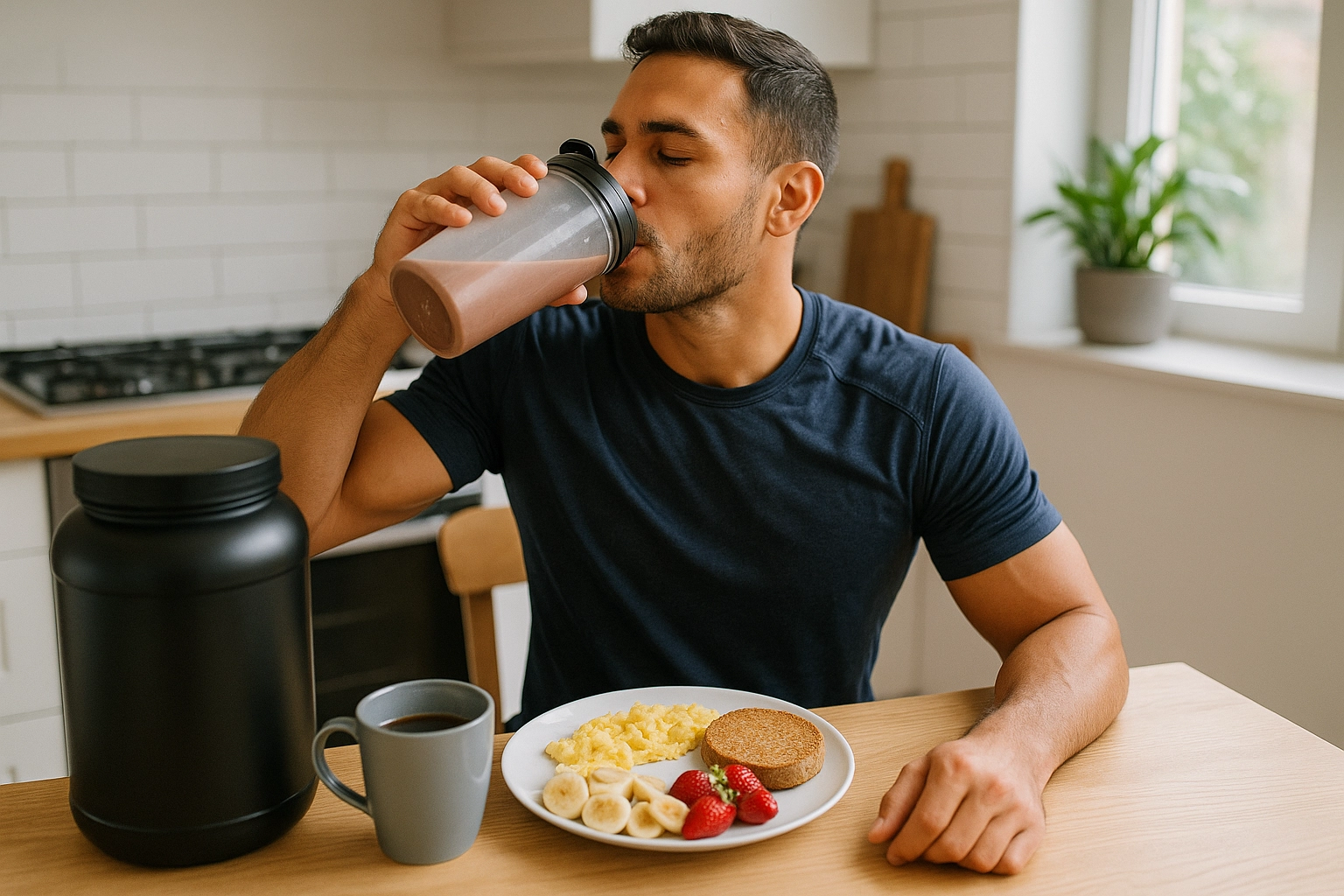
After any workout, your body shifts into repair mode, and the nutrients you provide determine how quickly you bounce back. Protein supplies the amino acids that rebuild muscle, and a practical beginner target is 20 to 40 grams within roughly 30 minutes to two hours, as outlined in this science-based post-workout recovery guide. Carbohydrates restore the glycogen you used for training and prime you for your next session; a useful benchmark from NASM on nutrition for recovery is 1 to 1.2 grams per kilogram of body weight per hour during the first few hours after hard efforts. Healthy fats are not the immediate priority post-session, yet small amounts across the day can support inflammation control. Simple examples include Greek yogurt with berries and honey, a smoothie with banana and whey or plant protein, or eggs on whole-grain toast with fruit.
Personalized post workout meal planning removes guesswork and aligns nutrition with your goals, schedule, and dietary style. Eatology can tailor vegetarian, vegan, gluten-free, keto, paleo, or low-carb meals to your calorie needs and training intensity, then deliver fresh options that make consistent fueling easy. Many athletes do well with a carbohydrate to protein ratio near 3 to 1 after intense sessions, a pattern discussed in this overview of advanced post-workout fitness nutrition. Before you start, gather a simple checklist, know your body weight to set carb targets, log session intensity, and keep a ready protein source, a fast carb, water, and a shaker on hand. A small food scale or portion guide helps you repeat what works without overthinking. The expected outcome is faster muscle repair, steadier energy, less soreness, and clearer progress in strength and endurance.
Step-by-step: make your post-workout meal work
- Within 30 to 60 minutes, hydrate with 500 to 750 milliliters of water and eat 20 to 40 grams of protein.
- Add carbohydrates at about 1 gram per kilogram in the first hour, favoring quick options like fruit, rice, or whole-grain bread.
- If you prefer lower carbs overall, prioritize the full protein target and place most carbs around demanding training.
- For convenience and precision, schedule a tailored delivery with Eatology so portions, macros, and timing are handled for you.
Understanding Your Nutritional Needs
Before you start: prerequisites and materials
Gather a few basics so you can build a precise post workout meal plan. You will need your current body weight, an estimate of activity level, and a simple food scale or measuring cups. A notebook or nutrition app, a smartphone camera for meal photos, and optional wearables for step and heart rate data will make tracking easier. Expected outcome, by the end of this section you will have clear calorie and macronutrient targets plus a repeatable post workout meal template.
Step 1: Map your body type and goal
Match your nutrition to your build and aim. If you are an ectomorph with a fast metabolism, plan slightly higher calories with generous quality carbohydrates around training and adequate protein to drive muscle repair. Mesomorphs usually respond well to balanced intakes, so a moderate calorie target with even protein and carb support fits recovery. Endomorphs often do best with protein-forward plates and more controlled carbs after training, which supports fat loss while preserving lean mass. Align this with your objective, muscle gain calls for a small calorie surplus, fat loss uses a modest deficit, and endurance work relies on sufficient carbohydrates to refill glycogen.
Step 2: Calculate calories and macros
Estimate Basal Metabolic Rate with the Harris Benedict method, then multiply by an activity factor to get Total Daily Energy Expenditure. Set calories relative to your goal, about plus 10 percent for lean gain or minus 10 to 15 percent for fat loss. Allocate protein at 1.6 to 2.2 grams per kilogram body weight, a range that supports recovery, especially useful for low carb approaches. Carbohydrates can vary by goal, for recovery aim 0.5 to 1.0 grams per kilogram in the 30 to 120 minutes post workout, with the remainder of daily carbs spread across meals. Fats fill the remaining calories, favoring unsaturated sources.
Step 3: Track and adapt with technology
Use tools that simplify logging and feedback. Research prototypes like MealMeter multimodal nutrition estimation and NutriVision computer-vision diet management show how AI can refine portion and macro estimates. Consumer apps highlighted in this review of the best calorie counter apps for 2026 offer detailed macro tracking, barcode scans, and wearable integration. Log your post workout meal, compare to your targets, and adjust portion sizes weekly based on body weight trends and performance. Expected outcome, consistent tracking converts your numbers into plates, and services like Eatology can translate those targets into fresh, goal-aligned meals delivered to your door.
Creating a Balanced Post-Workout Meal
A balanced post-workout meal prioritizes three macronutrients that work together for recovery. Protein supplies amino acids for muscle repair, carbohydrates restore glycogen so you are ready for your next session, and fats support hormone balance and absorption of fat-soluble nutrients. Aim to eat within 30 minutes to two hours after training, which aligns with the anabolic window that helps maximize muscle protein synthesis. If you follow a lower carb approach, ensure your daily protein target is adequate, typically 1.6 to 2.2 g per kg body weight, then distribute a meaningful portion post workout. Keep your choices food based to align with current trends favoring whole foods over heavy reliance on supplements.
Prerequisites and materials
Have your body weight, recent workout duration, and intensity handy so you can size portions to your needs. Keep staple ingredients ready, such as lean proteins, whole-food carbohydrates, healthy fats, and a hydration option. A food scale or measuring cups, plus containers for quick assembly, will improve accuracy and consistency. Expect improved energy replenishment, reduced soreness, and steadier progress when you apply this structure consistently.
- Time it: eat within 30 minutes to two hours post exercise.
- Pick protein first, about 25 to 35 g at the meal; prioritize high quality sources.
- Add carbohydrates in a quality form, choose fruit, sweet potato, or whole grains as appropriate for your plan.
- Include a small amount of healthy fat, think avocado, olive oil, or nuts, to round out the meal.
- Hydrate and replace electrolytes, especially after hot or long sessions.
Example meals for different diets
Greek yogurt with mixed berries and a drizzle of honey provides about 20 g protein and 25 to 35 g carbs, plus antioxidants that support recovery. Grilled chicken, quinoa, and steamed vegetables offer lean protein and complex carbs for glycogen replenishment. For vegans, try a protein smoothie with soy milk, berries, banana, and almond butter, similar to the template in the Vegan Athlete Nutrition Guide. A tofu stir-fry with brown rice is another balanced choice; see tips in How to Follow a Balanced Macro Vegan Diet. For keto, keep carbs minimal with an avocado and tofu salad or cauliflower rice stir-fry, as outlined in this vegan keto meal plan overview. As your training load changes, adjust portions while keeping the same structure.
Integrating Eatology’s Services
Step-by-step: Integrate Eatology into your post workout meal plan
- Define your goals and gather the basics. List your body weight, preferred diet pattern, allergies or intolerances, training schedule, and delivery address, these are your prerequisites and materials. Set a protein target, beginners using low carb can aim for 1.6 to 2.2 grams per kilogram body weight to support recovery. Plan to eat within 30 minutes to two hours after training to capitalize on the anabolic window for muscle protein synthesis. Note any dietary exclusions because many people follow specific patterns, for example gluten free or dairy free, and Eatology can tailor to these needs.
- Choose the Eatology plan that matches your energy and macro needs. The Athletics Meal Plan offers 2,100 or 2,400 calories with approximately 45 to 55 percent carbohydrates, 25 to 35 percent protein, and 20 to 30 percent fats to fuel training and recovery. As a beginner example, a 75 kilogram trainee lifting three times weekly might start with 2,100 calories, then adjust after one to two weeks based on energy and body weight. Select your dietary style, such as vegetarian, vegan, gluten free, keto, paleo, or low carb, to align meals with your preferences while preserving your protein target.
- Optimize delivery timing and meal placement around your workouts. Use Eatology FAQs on delivery and scheduling to set delivery days that match training days, then store meals safely so one serving is available immediately post session. Place a higher carbohydrate Eatology meal after lifting days to replenish glycogen, choose lower carbohydrate options on rest days if that suits your plan. Schedule a protein rich snack for days with long commutes, keep a yogurt or a ready Eatology portion so you never miss the window.
- Track outcomes and iterate with support. Expect improved recovery, steadier energy, and easier adherence within two weeks if meals match your plan. If weight drops faster than intended, increase delivery to the higher calorie option or add one extra Eatology snack, if progress stalls, reduce calories slightly. Rotate menus to prevent palate fatigue and leverage Eatology’s guidance, see Balancing nutrition and convenience, so your post workout meal plan stays consistent as training evolves. Transition next to fine tuning hydration and sleep to compound your nutrition gains.
Common Challenges and Solutions
Typical obstacles beginners face
Newer lifters often struggle with timing and composition of a post workout meal plan. Many are unsure how soon to eat, even though the most effective window for recovery is roughly 30 minutes to two hours after training, when muscle protein synthesis is elevated. Time pressure is another barrier, especially when workouts end late or between work commitments. Digestive discomfort can derail good intentions, for example heavy, high fat foods right after a session may sit poorly. Some beginners lean too heavily on powders and bars, overlooking whole foods that add fiber, micronutrients, and antioxidants. Diet preferences add complexity, with a notable share of people reporting low carb, gluten free, or dairy free patterns, so it helps to tailor recovery meals to these needs without sacrificing protein or quality carbohydrates.
Step by step solutions you can apply today
Prerequisites: your weekly training schedule and body weight. Materials needed: a shaker bottle, pre portioned protein options, ready to eat carbohydrates or low carb swaps, and a couple of simple recipes. 1) Set your refuel window, aim to start eating within 30 to 120 minutes post exercise for better repair and glycogen restoration. 2) Lock in protein, plan at least 0.3 g per kg of body weight immediately after training, and if you follow low carb, aim for 1.6 to 2.2 g per kg across the day. 3) Create two go to meals, for example Greek yogurt with berries and honey, or grilled tofu with whole grain bread and tomato salad; if gluten free, use certified gluten free grains. 4) Batch prep twice weekly, keep pre cooked grains, washed fruit, and cooked proteins ready so a meal assembles in five minutes. 5) Reduce GI stress, choose easily digestible options like smoothies with banana, spinach, and a protein source after intense sessions. 6) Use support systems, scheduled meal prep or a daily meal delivery service can remove guesswork and improve adherence.
Consistency and patience
Results come from repetition, not perfection. Hitting most post workout meals on time, even 4 to 5 days per week, steadily improves recovery, energy, and training quality. Track simple markers like soreness, session performance, and how quickly you feel ready for your next workout; expect noticeable improvements within a few weeks. If weight loss or muscle gain is a goal, adjust portions gradually, week by week, rather than making drastic changes. Services that provide tailored, ready to eat meals can keep you consistent on busy days, helping you build a sustainable routine that compounds over time.
Leveraging Tech for Nutrition Insights
What you need to get started
Technology now puts personalized sports nutrition in your pocket, ideal for a beginner assembling a post workout meal plan. Have a smartphone, a nutrition app, and optionally a wearable that tracks training, sleep, and heart rate. A digital kitchen scale improves portion accuracy, and preportioned meals from Eatology make logging simple across keto, paleo, vegan, gluten-free, and low-carb patterns. Current trends include AI that proposes food-based recovery menus, sweat sensors that flag fluid and sodium loss, and continuous glucose monitors that guide carb timing.
Step-by-step: Optimize your plan
Start simple, then refine. The goal is consistent logging that turns insights into action. Expect a small learning curve in week one. Follow these steps to build momentum.
- Pick an app such as MyFitnessPal, MacroFactor, Fitia, or Garmin Connect, then connect any wearable you use.
- Set targets: protein 1.6 to 2.2 g per kg if you follow low carb, otherwise set a protein floor near the middle and add quality carbs for glycogen.
- Create a reminder to eat within 30 to 120 minutes post session, and log one recovery meal template you repeat on busy days.
- Enable barcode or photo logging, weigh portions for one week, and save Eatology meals as custom entries for faster tracking.
- If available, add a hydration sensor or CGM, then observe how carbohydrate timing affects energy and perceived exertion.
- Review weekly trends, adjust calories up or down 5 to 10 percent based on body weight, training, and recovery scores.
Why tech helps recovery
AI plans personalize meals to your goals and dietary exclusions, helpful since many people avoid specific foods, with surveys reporting 7.1% low carb and 10.6% gluten-free. Real-time feedback nudges you toward hitting macros and fluids when it matters most. Integrated dashboards combine training, meals, and sleep so you can spot patterns, then refine your post workout meal plan. On Android, Health Connect can unify nutrition, activity, and sleep into one secure dashboard for clearer decisions and better adherence.
Conclusion and Next Steps
The most effective post-workout meal plan centers on timely protein plus quality carbohydrates to restore glycogen and drive muscle repair. Research indicates consuming them within 30 to 120 minutes enhances muscle protein synthesis. If you prefer low carb, you can still recover well by elevating daily protein to 1.6 to 2.2 g per kilogram of body weight and placing carbs strategically. Quality carbohydrates matter, such as whole-grain bread or fruit, and antioxidant-rich foods support recovery. Practical examples include Greek yogurt with berries and honey, eggs on whole-grain toast with a banana, or tofu with rice and vegetables.
Personalization matters, many people follow specific patterns, for example 7.1 percent low carb and 10.6 percent gluten free. Prerequisites and materials, note your body weight, training times, and two foods you enjoy. Next steps, 1) set about 0.3 g per kilogram protein and 1.0 g per kilogram carbohydrates after training, 2) design two go-to meals that match your diet style, 3) eat within 30 to 120 minutes, 4) for done-for-you precision, choose an Eatology bespoke plan with your calories, macros, and vegetarian, vegan, gluten-free, keto, paleo, or low-carb preferences. Expected outcome, in 2 to 4 weeks you should feel less sore and energized.