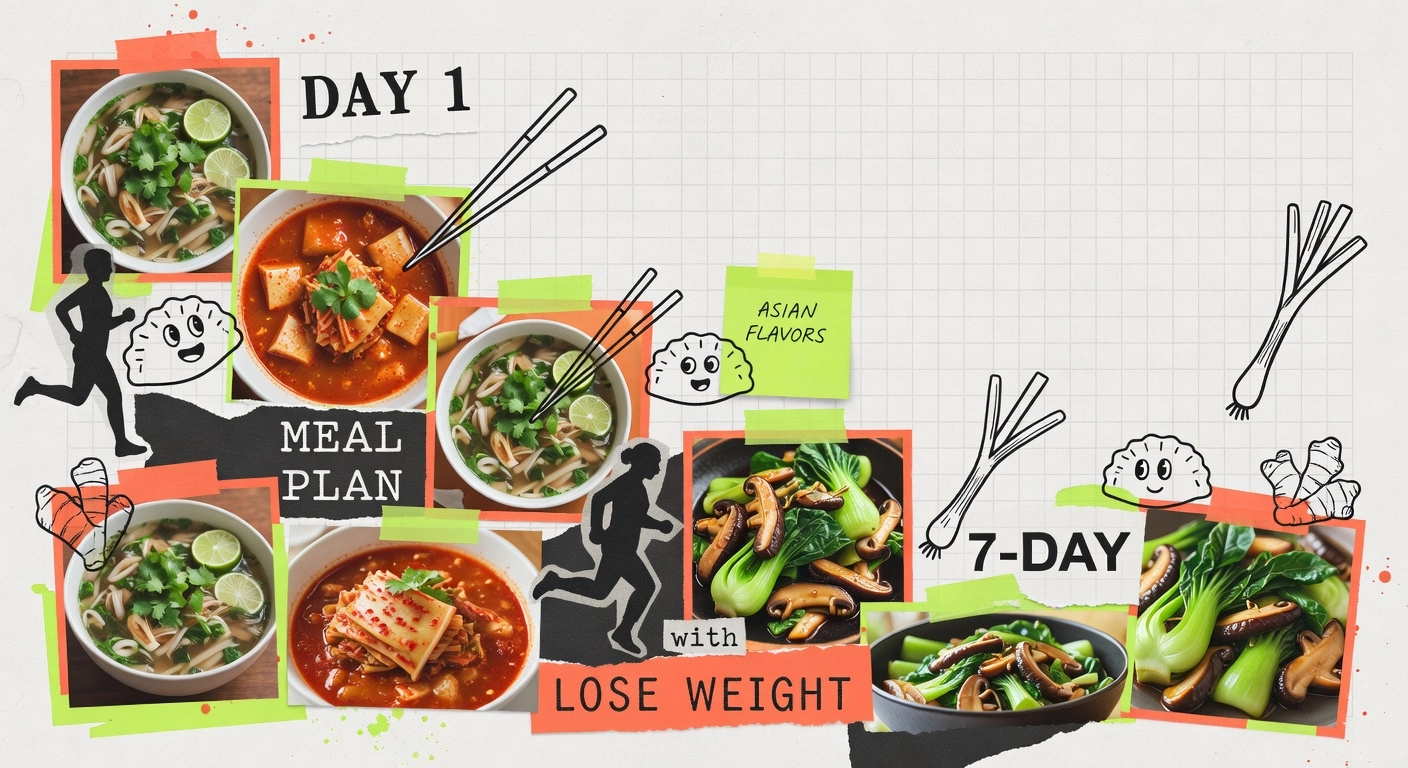
Ready to stop guessing at meals and start seeing results? If you have the basics down but want a plan that actually fits real life, you are in the right place. In this guide we will build a weight loss meal plan 7 days that balances flavor, satiety, and smart nutrition without boring repeats or tiny portions.
Here is what you will get: a full week of breakfasts, lunches, dinners, and snacks with calorie and macro targets, simple prep steps you can batch on day one, and a streamlined shopping list. You will learn how to portion with your hands, swap ingredients to meet your preferences, and hit protein and fiber goals that keep hunger in check. I will show you how to pace carbs around workouts, how to dine out without derailing progress, and how to adjust the plan for rest days. Think practical, flexible, and tasty, with one-pan options, make-ahead staples, and five minute backups for busy nights. By the end, you will have a repeatable template you can tweak week after week, plus the confidence to make it your own.
Understanding Your Nutritional Needs
Prerequisites and materials
Before you map a weight loss meal plan 7 days, gather basics, age, sex, weight, height, and your usual activity level. Grab a calculator, a food scale or measuring cups, and a notes app. List any preferences such as vegetarian, vegan, gluten-free, keto, paleo, or low-carb so the plan fits. Set a realistic timeline, many do well targeting 0.5 to 1 kilogram weekly, yielding a clear calorie target and diet style shortlist. If you prefer done-for-you support, Eatology can match calories and preferences with fresh daily delivery and nutritionist guidance.
Step-by-step
- Calculate calories using the Healthline calorie calculator, then create a 250 to 500 calorie deficit; for example, a moderately active 31-year-old woman at roughly 2,000 kcal maintenance might target about 1,600 kcal. Record this as your daily budget for the week.
- Choose your dietary lane; vegetarian or vegan diets can center legumes, tofu, and whole grains, while low-carb styles prioritize lean proteins and non-starchy vegetables. As a benchmark, aim for at least 56 g protein and around 30 g fiber daily to support fullness within a calorie cap.
- Audit your intake by logging seven days, checking portions, and noting hunger and meal timing; rising average intakes show why tracking matters in this calorie intake analysis. Use what you learn to plug calorie leaks, then let Eatology translate your targets into fresh daily meals that fit your preferences.
Designing a 7-Day Meal Plan
Step 1: Map meals to your needs and preferences
Using the numbers you calculated earlier, lock in a daily calorie target that fits your activity level. Many women do well between 1,200 and 1,600 calories, and many men between 1,500 and 2,000, then adjust as needed for training days and satiety 7-Day Diet Plan for Weight Loss: A Complete Guide for 2025. Choose your dietary lane to match your lifestyle, vegetarian, vegan, gluten-free, keto, paleo, or low-carb, then list your top 10 must-have foods and 3 to limit. Materials needed include a weekly calendar or template, a grocery list app, a kitchen scale, and meal containers. If you like tech support, tools such as NutriGen: Personalized Meal Plan Generator show how personalization can boost adherence by honoring your constraints. Prefer to outsource the cooking, Eatology can translate your plan into fresh daily deliveries with nutritionist support.
Step 2: Balance carbs, protein, and fats
Set a simple macro pattern, for most people 45 to 50 percent carbs, 25 to 30 percent protein, and 20 to 25 percent fat works well. On a 1,500 calorie day that is about 170 g carbs, 110 g protein, and 42 g fat. Keep a high protein floor of at least 56 g daily and aim for about 32 g fiber to support fullness and weight loss. Example day, breakfast Greek yogurt, berries, and chia for 30 g protein and 8 g fiber; lunch grilled chicken, quinoa, olive oil, and vegetables for 35 g protein and 10 g fiber; dinner salmon, broccoli, and a small sweet potato for 30 g protein and 8 g fiber; snacks fruit and 20 g nuts. If you prefer keto, cap carbs very low and lean on non-starchy vegetables and proteins, while paleo centers on whole foods and avoids processed items. For cost and nutrient trade-offs, see Linear Optimization for the Perfect Meal for data-driven planning ideas.
Step 3: Build in flexibility for cravings and dining out
Schedule two flex moments each week, one treat and one restaurant meal, so you stay consistent without feeling deprived. At restaurants choose grilled proteins, vegetables, and whole grains, ask for sauces on the side, split portions, and skip sugary drinks. Create a home swap list for cravings, for example trade a planned snack for cottage cheese and berries or a 150 calorie dark chocolate square. If a meal runs heavy, balance the day with lighter options or an extra vegetable side. Expected outcome, a printable weight loss meal plan 7 days with three meals and one to two snacks per day, macro targets, a grocery list, and two planned flex events. If time is tight, Eatology can prep and deliver, which typically saves 4 to 6 hours per week, and you can toggle between low-carb, keto, or paleo days without redoing your plan.
Step-By-Step Guide to Meal Prep
Step 1: Gather your gear and groceries
Before you start your weight loss meal plan 7 days, set yourself up with the right tools. Choose sturdy, BPA‑free containers with tight seals, ideally glass for reheating safety, and a few compartment styles for portion control, as outlined in this guide to high quality meal prep containers. Round out your toolkit with a sharp chef’s knife, cutting boards, measuring cups and spoons, sheet pans, and a blender or food processor, similar to the essential kitchen tools list. Build a smart grocery list that prioritizes lean proteins, complex carbs, colorful produce, and healthy fats, like this overview of 7‑day weight loss meal plan ingredients. Example starter list: 1 kg chicken breast, 6 eggs, 2 cans tuna, 2 cups dry quinoa, 2 heads broccoli, 4 bell peppers, a bag of leafy greens, berries, olive oil, and avocado.
Step 2: Schedule your prep window
Block a consistent 90‑ to 120‑minute window each week. Many people choose Sunday, but any low‑stress slot works. Preheat the oven to 200 C, set two sheet pans on the counter, and review your 7‑day plan so you batch items that appear multiple times. Expected outcome: 10 to 12 balanced grab‑and‑go meals plus snacks that reduce decision fatigue and late‑night takeout. If a week gets hectic, pair your routine with Eatology’s daily deliveries for vegetarian, vegan, gluten‑free, keto, paleo, or low‑carb menus, which can save 4 to 6 hours of planning, shopping, and cooking while keeping your targets on track.
Step 3: Batch cook like a pro
Cook base staples first. Two cups dry quinoa yields about six cups cooked, enough for four lunches and two dinners. Roast a large tray, 1.5 kg, of mixed vegetables, broccoli, peppers, zucchini, and bake or grill 1 kg chicken with a simple spice rub. Portion into 350 to 450 calorie meals based on your plan, label with meal name and date, and refrigerate 3 to 4 days or freeze portions for later. Customize by goal, keto lovers can batch cauliflower rice and salmon, paleo fans can roast sweet potatoes and grass‑fed beef, and low‑carb plans can spiralize zucchini and prep turkey meatballs. Transition next to your breakfast lineup so your mornings are truly grab‑and‑go.
Tips for Staying on Track with Your Plan
Step 1: Set realistic, achievable goals
Before you start, capture a baseline, weight, waist, and a quick photo, then choose a tracking method, an app or paper log. Set SMART goals that are specific, measurable, attainable, relevant, and time bound, then pin them to your calendar. A solid target is losing 1 to 2 pounds per week while hitting actions like 1,500 calories, 8,000 steps, and vegetables at every meal. Write your goals in plain language and include non food rewards, for example a new playlist after four logged dinners. For a quick template, use this concise SMART goal guide to frame your week.
Step 2: Adjust the plan based on progress or lifestyle changes
Check in every two to three days using scale trends, waist measurement, energy, and hunger notes. If you feel overly hungry or workouts suffer, add 100 to 150 calories from protein and fiber, such as eggs and berries, and reassess. On busy days, swap planned dinners for faster options within your calorie target, or shift carbs earlier if late meetings run long. If weight loss stalls for 10 to 14 days, trim portions by about 10 percent or lower dinner starch, then monitor. For safe, practical ways to tailor a 7 day plan, review this overview from Northeastern Health News.
Step 3: Use a meal delivery service like Eatology for convenience
Time is the biggest adherence killer, so consider prepped meals to save roughly 4 to 6 hours weekly and reduce decision fatigue. Services like Eatology, reviewed here, offer rotating menus and options that align with low carb, paleo, vegetarian, and gluten free eating. You can match portions to your calorie goal, lean on nutrition support for tweaks, and keep a few extras in the fridge for late nights. Budget about 13 to 15 dollars per meal or run a weekdays only subscription to control costs while you cook on weekends. Expected outcome, higher adherence, easier portion control, steadier energy, and a smoother path to finishing your 7 day weight loss meal plan with measurable results.
Managing Challenges and Troubleshooting
Troubleshooting common hurdles
- Triage your time, then automate decisions. Prerequisites: a 20-minute planning block and your calendar. Materials: a timer, containers, and a meal-planning app like Paprika for recipes and grocery lists. Block two batch-prep windows this week, cook lean proteins, whole grains, and a veggie tray so assembly dinners take 10 minutes. If your schedule is packed, consider Eatology’s daily deliveries, which mirror your weight loss meal plan 7 days and typically save 4 to 6 hours a week otherwise spent planning, shopping, and cooking; the expected outcome is fewer impulse takeout choices and steady adherence.
- Beat food boredom with structured variety. Materials: a simple spice kit, a weekly theme calendar, and a rotation of proteins and plants. Use theme nights, for example Meatless Monday, Taco Tuesday, Curry Wednesday, as recommended in this creative meal planning guide. Refresh staples by changing seasonings, turmeric and cumin for anti-inflammatory curries, cilantro and lime for bright bowls, and by swapping bases, cauliflower rice for keto under 20 grams of carbs, roasted sweet potato for paleo. Aim for at least 56 grams of protein and roughly 32 grams of fiber per day across the week; the expected outcome is fuller, more satisfied meals without repeating the exact plate.
- Leverage expert support to stay personalized and flexible. Prerequisites: your calorie target, dietary style, and any allergies. With Eatology, book nutrition advice to set macros, pick vegetarian, vegan, gluten-free, keto, paleo, or low carb menus, and get bespoke portions aligned to your goals. Daily, fresh delivery reduces food waste and decision fatigue, and the team can swap in new recipes when preferences shift, for example a vegan chili one day and a keto salmon bowl the next. Expected outcome: consistent compliance, smoother weeks, and measurable progress because meals match your life, not the other way around.
Conclusion and Next Steps
Review your 7‑day results
Prerequisites and materials: day 1 and day 7 metrics, photos, a food log, a scale, tape measure, calculator. Step 1, compare outcomes to targets, most see 0.5 to 1 percent body weight loss with steady energy and manageable hunger. Step 2, audit macros against your plan, high protein low carb usually means at least 56 g protein and 32 g fiber per day, keto keeps carbs under 20 g, paleo centers whole foods and avoids processed items. Step 3, change one lever for week two, adjust calories by 100 to 200, add 10 to 20 g protein, or swap refined carbs for vegetables to improve satiety.
Build long term habits and next steps
Step 1, protect your time, schedule two prep blocks or trial a meal delivery service, many save 4 to 6 hours weekly and reduce food waste. Step 2, anchor daily behaviors, protein at every meal, produce at snacks, 8,000 steps, and a consistent sleep window. Step 3, extend your weight loss meal plan 7 days to 14 or 28, or let Eatology craft a bespoke vegetarian, vegan, gluten free, keto, paleo, or low carb plan with nutritionist guidance and fresh daily delivery. Expected outcomes, fewer decisions, better adherence, and steady, repeatable progress.